What You Need to Know About Measles Symptoms
Introduction
Measles is a highly contagious viral disease that remains a significant public health concern worldwide. It is easily spread through respiratory droplets and can lead to serious complications, particularly in young children and individuals with weakened immune systems. Understanding measles symptoms is crucial for early detection and prompt medical intervention, as well as for the prevention of further outbreaks.
Main Symptoms of Measles
Measles symptoms typically appear 10 to 14 days after exposure to the virus. The initial symptoms often resemble those of a cold or flu, including:
- High Fever: A high fever is generally one of the first signs, often reaching up to 104°F (40°C).
- Cough: A dry cough that may worsen can significantly affect breathing and comfort.
- Runny Nose: Nasal congestion and a runny nose may resemble common colds.
- Red Eyes: Conjunctivitis, or inflammation of the eyes, leading to redness and sensitivity to light.
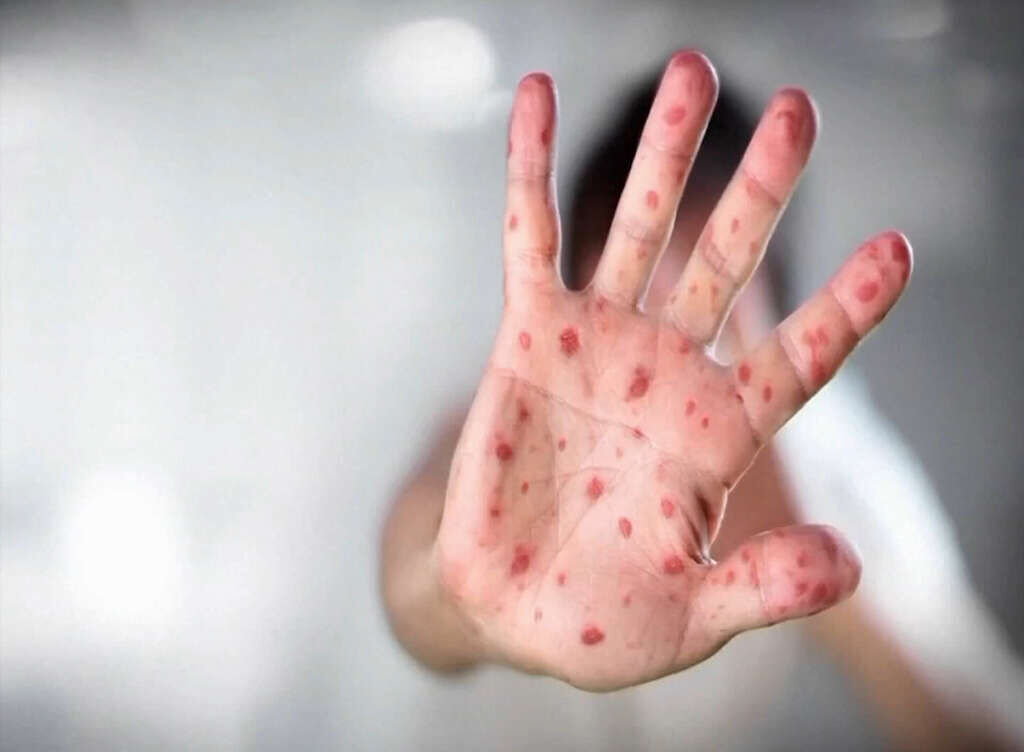
As the illness progresses, more distinct symptoms appear, particularly the characteristic measles rash:
- Rash: The rash typically starts at the hairline and spreads downward, covering the face and body. It generally appears 3 to 5 days after the initial symptoms.
Complications and Health Implications
While many individuals recover without serious health issues, measles can lead to complications such as diarrhea, ear infections, and pneumonia. More severe complications may affect the brain, leading to encephalitis. Populations at higher risk include unvaccinated children, pregnant women, and individuals with compromised immune systems.
Conclusion
Raising awareness about measles symptoms is vital for public health. Vaccination remains the most effective way to prevent measles outbreaks and protect individuals from infection. Health authorities emphasize the importance of ensuring individuals are vaccinated, especially given recent resurgences of measles in various countries. Parents should be vigilant for symptoms in their children and seek medical attention if measles is suspected. By understanding and recognizing measles symptoms, we can contribute to the health and safety of our communities.