Upcoming Northern Lights Aurora Borealis Forecast: What You Need to Know
The Northern Lights: A Natural Phenomenon
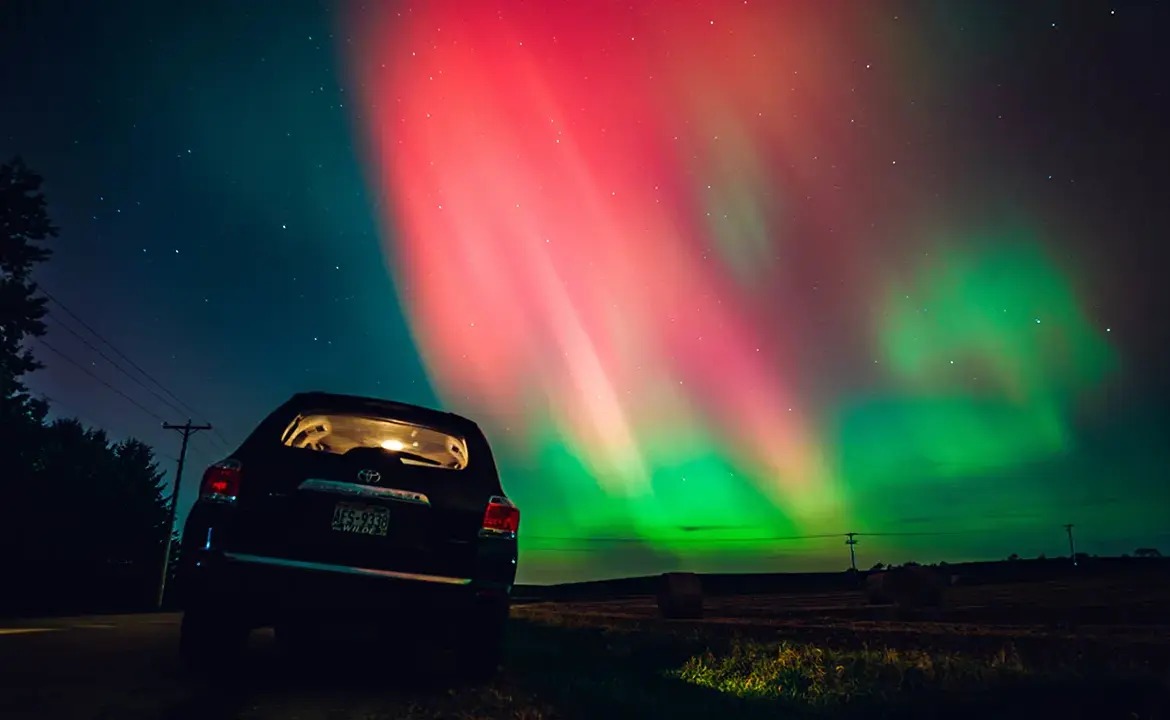
The Aurora Borealis, commonly known as the Northern Lights, captivates millions with its stunning displays of colorful lights across the sky. This natural phenomenon is especially visible in high-latitude regions around the Arctic, and it attracts tourists and scientists alike who aim to witness its awe-inspiring beauty. The relevance of keeping track of the Northern Lights forecast is crucial for enthusiasts hoping to catch a glimpse of this spectacular event.
Current Conditions and Forecast
As of October 2023, the forecast for the Aurora Borealis looks promising. Solar activity tends to increase during periods of heightened solar storms, leading to more intense auroras. The NOAA’s Space Weather Prediction Center has reported that a geomagnetic storm is expected soon, which can heighten visibility of the Northern Lights, particularly across Canada, Alaska, and parts of Northern Europe.
Experts suggest that the best chance to see the Aurora Borealis is during the fall and winter months, from late September through late March. The increased darkness and clear skies during these months improve visibility. According to recent space weather models, frequent updates indicate that conditions can change rapidly, emphasizing the importance of having real-time forecasts available to those planning their aurora-watching outings.
Where to View The Northern Lights
For those planning to view the Northern Lights, some of the best locations include Fairbanks, Alaska; Yellowknife in Canada; and Tromsø, Norway. All of these places offer optimal conditions for aurora viewing, including dark night skies, minimal light pollution, and organizations dedicated to guiding tourists through the best times and places.
Conclusion and Future Outlook
Monitoring the Northern Lights Aurora Borealis forecast is essential for anyone interested in experiencing this breathtaking phenomenon. As solar activity fluctuates, so do the opportunities to witness the lights dance across the sky. For avid aurora hunters, the current forecasts suggest an exciting season ahead. It is advisable for viewers to stay informed through reliable sources and to consider timing their trips to coincide with geomagnetic storms for the best possible experience.
As interest grows in different parts of the world, advancements in recording and predicting auroral activity will also improve, making the Northern Lights even more accessible to enthusiasts everywhere.