The Enchanting Marvel of the Northern Lights
Introduction to Northern Lights
The Northern Lights, or Aurora Borealis, is a natural light display predominantly seen in high-latitude regions, including Alaska, Canada, and parts of Scandinavia. This stunning phenomenon is not only a breathtaking sight but also a subject of scientific study, providing insights into our planet’s atmosphere and magnetic field. As travel limitations ease and individuals seek natural wonders, the importance of understanding and experiencing the Northern Lights has escalated, making it a relevant topic for adventure-seekers and environmental enthusiasts alike.
Current Events and Viewing Opportunities
The Northern Lights have been particularly vibrant this year, thanks to heightened solar activity. The solar cycle, which lasts approximately 11 years, has reached a phase known as solar maximum, where the sun’s activity peaks, causing more frequent and intense auroral displays. As reported by the National Oceanic and Atmospheric Administration (NOAA), this year has witnessed an increase in solar flares and coronal mass ejections, which contribute significantly to the visibility of the auroras.
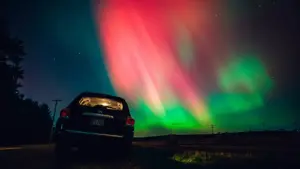
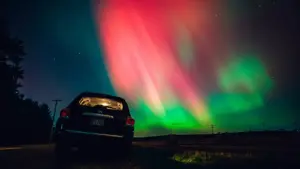
In recent weeks, many regions have reported extraordinary views of the Northern Lights. From the remote areas of northern Canada to tourism hotspots in Norway and Iceland, travelers and locals alike have been captivated by the vibrant greens, pinks, and purples dancing across the sky. The increased visibility has led to a surge in tourism in areas renowned for auroral sightings, with guided tours, photography workshops, and community events tailored to enhance the viewing experience.
Scientific Significance
The Northern Lights serve as an essential window into space weather. They are the result of solar winds interacting with the Earth’s magnetic field and atmosphere, providing scientists with crucial data regarding geomagnetic storms. Understanding these interactions helps in predicting potential disruptions to satellite communications, power grids, and aviation. Researchers are continuously studying the Northern Lights to improve forecasting models and enhance our comprehension of solar-terrestrial relationships.
Conclusion
The Northern Lights remain one of nature’s most spectacular displays, captivating audiences and scientists alike. As solar activity continues to peak, more opportunities for viewing these awe-inspiring lights are available. Whether for adventure, tourism, or scientific inquiry, the significance of the Northern Lights transcends simple beauty, offering essential insights into the cosmos and our planet. As awareness grows, so does the hope that future generations will continue to appreciate and study these natural wonders.