Exploring the Wonders of the Northern Lights
Introduction
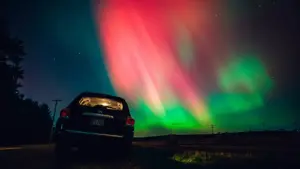
The Northern Lights, or Aurora Borealis, are one of nature’s most mesmerizing displays, captivating millions with their ethereal beauty. This natural phenomenon occurs in regions around the Arctic and Antarctic, creating shimmering waves of colored light in the night sky. As climate change and advancing technology enhance our understanding of this wonder, the Northern Lights have become an important topic for environmental discussions and tourism.
Understanding the Science Behind the Northern Lights
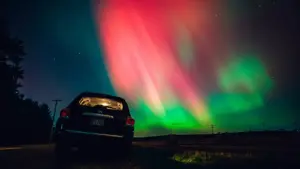
The Northern Lights occur when charged particles from the sun collide with Earth’s atmosphere, specifically the gases present. This collision results in dazzling displays of green, pink, red, yellow, blue, and violet lights. The best chances to see the Aurora Borealis happen in the winter months when nights are longest and the skies are darkest. Locations in countries such as Norway, Sweden, Finland, Canada, and Alaska are renowned for their Northern Lights viewing opportunities.
Recent Developments
As of 2023, a surge in solar activity has made the Northern Lights more visible in regions further south than usual. Recently, sightings have been reported in places like Michigan and even as far south as North Carolina due to a series of solar storms. This phenomenon has not only thrilled avid travelers and photographers but has also sparked interest in the impact of climate conditions on solar activities.
Furthermore, with advancements in technology, new apps and websites are aiding tourists in tracking the potential visibility of the Northern Lights. These resources provide real-time updates on space weather and local conditions, enhancing the experience for thousands who hope to witness the lights firsthand.
Tourism and Economic Impact
The influx of travelers seeking the Northern Lights has boosted local economies in popular viewing areas. Tour operators report increased bookings for guided tours and excursions. In addition to traditional offerings, new experiences such as luxury igloo stays and photography workshops have emerged, catering to the growing demand for unique experiences. Regions in Norway and Canada are investing in infrastructure to support this increase in tourism, ensuring visitors have the best experience possible when witnessing the Aurora Borealis.
Conclusion
In conclusion, the Northern Lights remain a powerful symbol of nature’s beauty and mystery, intertwined with important discussions around climate change and sustainable tourism. As solar activity continues to shape where and how we can witness this incredible phenomenon, it is essential for both travelers and local communities to engage with it responsibly. The future of Northern Lights viewing looks promising, providing a unique opportunity for education and appreciation of our planet’s natural wonders.