Northern Lights Aurora Borealis Forecast: What to Expect in 2023
Understanding the Northern Lights
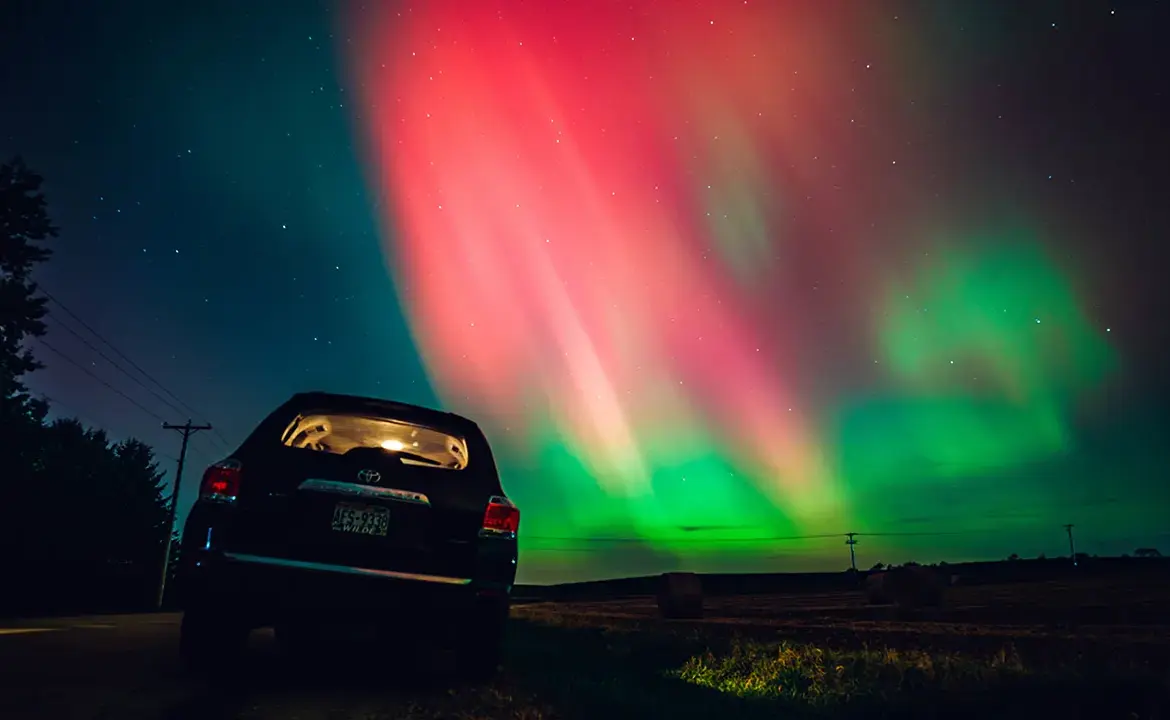
The Northern Lights, also known as the Aurora Borealis, are one of nature’s most breathtaking phenomena, captivating enthusiasts and casual observers alike. This stunning display of colorful lights, which occurs predominantly in polar regions, is caused by charged particles from the sun interacting with the Earth’s magnetic field. With growing interest in witnessing this spectacle, especially during the winter months when evenings are longer, understanding the forecast becomes crucial for potential viewers.
Current Forecast for the Aurora Borealis
As of October 2023, scientists and meteorologists are closely monitoring solar activity to predict Aurora events. Officials at the NOAA’s Space Weather Prediction Center have reported heightened solar activity due to an increasing number of sunspots and solar flares. In the coming weeks, viewers in northern regions, especially around Alaska, Canada, and Scandinavia, may experience more frequent and vibrant auroral displays.
According to the latest geomagnetic forecast, there is a heightened chance of geomagnetic storms, particularly around mid-October. The KP index, used to measure geomagnetic activity, is expected to reach levels of 5-7, which indicates that the Northern Lights could be visible as far south as the northern United States. It is advisable for observers to stay updated on solar activity through reliable sources as conditions can change rapidly.
Best Locations and Times to View
If you’re planning to catch a glimpse of the Aurora Borealis, specific locations are more favorable for viewing. In the U.S., the areas of Fairbanks, Alaska, and the northern parts of Montana and North Dakota are ideal. For those in Canada, Yellowknife and Whitehorse offer some of the best conditions.
The optimal times for viewing the Northern Lights are during dark, clear nights away from city lights. Late-night to early morning hours, particularly between 10 PM and 2 AM, are usually when the auroral displays are the most intense.
Conclusion: Significance of Aurora Forecasts
The forecast for the Northern Lights is not just important for tourism but also for scientific research and public interest in space weather. With more people equipped with advanced technology and apps that monitor real-time auroral activity, the appreciation for this natural wonder continues to grow. As the solar cycle progresses, opportunities for experiencing the Aurora Borealis will only increase. So whether you are a seasoned aurora hunter or a curious first-timer, the coming months offer an exciting chance to witness this stunning display of nature’s artistry.