Understanding the Nipah Virus in India: Updates for 2026
Importance of Monitoring the Nipah Virus
The Nipah virus, which was first identified in Malaysia in 1998, has posed significant health risks globally and is particularly concerning for India. As of 2026, India’s public health systems are on high alert due to the virus’s potential to cause severe outbreaks. Understanding the current situation is crucial for both health professionals and the public.
Current Situation in India
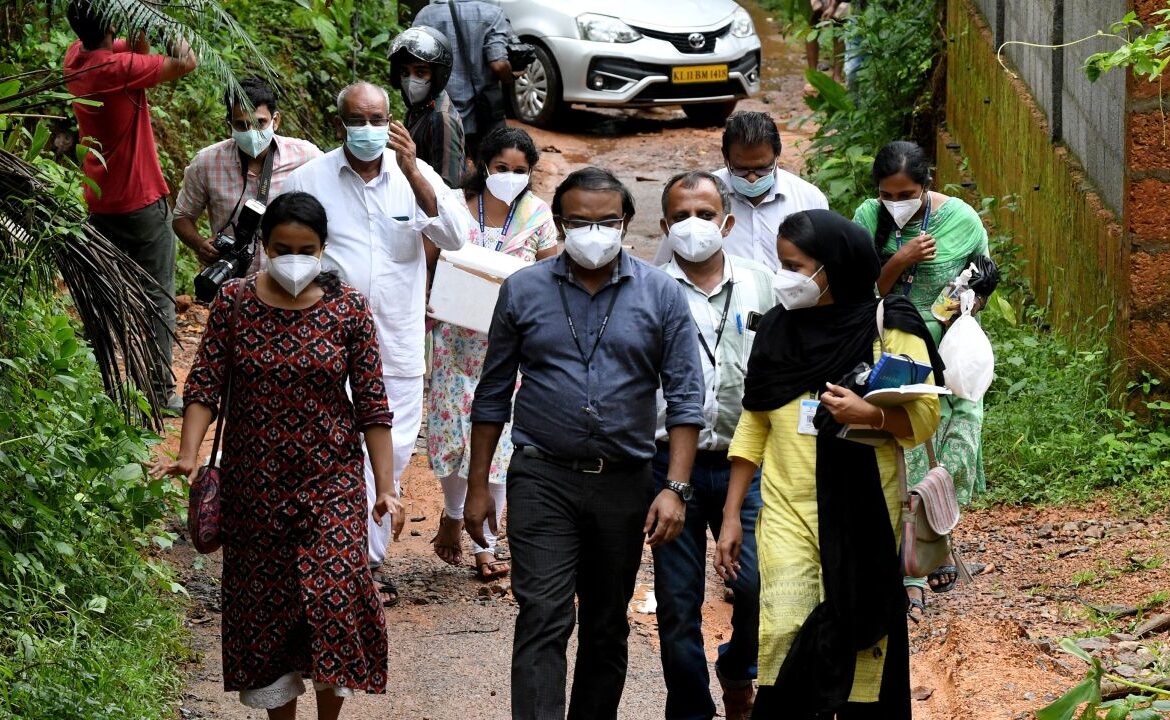
In 2026, India has reported several cases of the Nipah virus, primarily concentrated in the southern states. Recent reports indicate a spike in infections, with health authorities confirming outbreaks in Kerala. Public health officials have ramped up surveillance in affected regions to contain the spread. As the virus can be transmitted from animals to humans, particularly via fruit bats or contaminated food, health experts emphasize the importance of public awareness and hygiene practices.
Government Response and Preparedness
The Indian government has implemented various measures in response to the Nipah virus. From increasing laboratory testing capacities to enhancing public health communication, officials are working to manage the threat effectively. Quarantine protocols have been established for those suspected of exposure, and contact tracing has been reinforced to prevent further transmission.
Impact on Public Health
The Nipah virus is known for its high fatality rate, making public health awareness vital. Symptoms include acute respiratory distress and neurological issues, which can lead to severe outcomes without prompt treatment. As a result, health education campaigns are underway to inform the public about recognizing symptoms and when to seek medical help.
Looking Ahead: Future Implications
The situation surrounding the Nipah virus continues to evolve. Experts predict that ongoing monitoring and timely interventions will be crucial in preventing larger outbreaks. For residents, staying informed about health guidelines and community updates can play a significant role in managing personal and public health risks.
Conclusion
The resurgence of the Nipah virus in India during 2026 underscores the importance of vigilance in public health. The ongoing response from health authorities and the community’s cooperation will be critical in tackling this emerging health crisis. By understanding the risks and staying informed, individuals can contribute to the broader effort of managing and mitigating the impact of the Nipah virus.