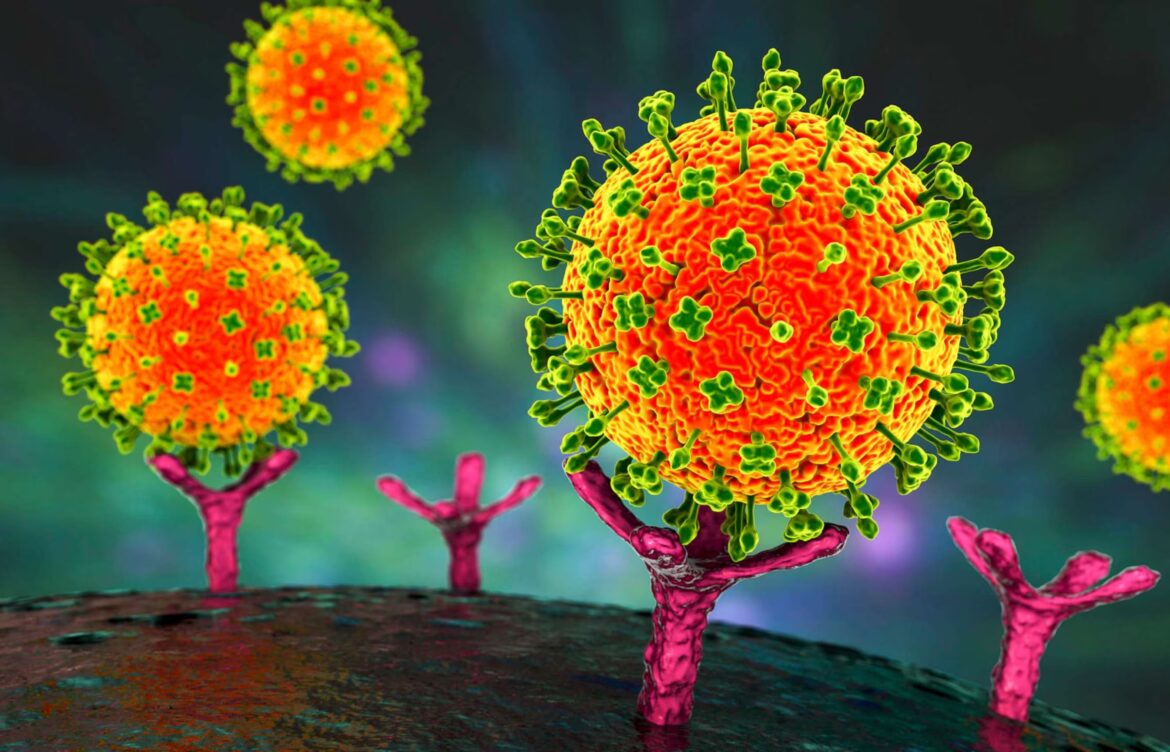
Understanding the Nipah Virus and Its Impact on Public Health
Introduction
The Nipah virus has emerged as a critical public health concern across the globe, particularly in South Asia. This zoonotic virus, first identified in Malaysia in 1999, presents serious health risks to humans and animals alike. As outbreaks continue in various regions, understanding the transmission, symptoms, and preventive measures related to Nipah virus is essential for both health authorities and the public.
Recent Developments
As of 2023, several outbreaks of Nipah virus have been reported, particularly in India and Bangladesh. The World Health Organization has raised alarms due to the virus’s high mortality rate, which can reach up to 75% in severe cases. Transmission can occur through direct contact with infected bats, pigs, or human patients. The virus is known to spread through respiratory droplets, making it potentially dangerous in crowded living conditions.
Notably, in recent months, health authorities in India have reported a small cluster of cases in Kerala, triggering increased surveillance and containment measures. Laboratory tests confirmed new infections, raising public awareness of the symptoms, which include fever, headache, dizziness, and neurological complications in more severe cases. Authorities have urged the public to avoid contact with bats and to maintain hygiene practices to mitigate the risk of transmission.
Public Health Responses
In response to the Nipah outbreaks, health officials have implemented several strategies, including contact tracing, awareness campaigns, and vaccination programs for high-risk populations, such as farmers and healthcare workers. The potential for the virus to spread rapidly gives urgency to public health interventions. Collaborative research efforts in developing a safe and effective vaccine are also underway, as current options are limited and mainly experimental.
Conclusion
The Nipah virus remains a significant threat to public health, especially in regions where the environmental conditions are favorable for its transmission. Awareness and education about the virus, combined with robust health response strategies, are crucial for containing outbreaks and preventing future infections. Ongoing research and collaboration between countries will play a vital role in addressing the challenges posed by the Nipah virus, ensuring communities are better prepared for any potential health threats in the future. Understanding the realities of Nipah virus can foster resilience and empower individuals to take proactive measures in safeguarding their health.