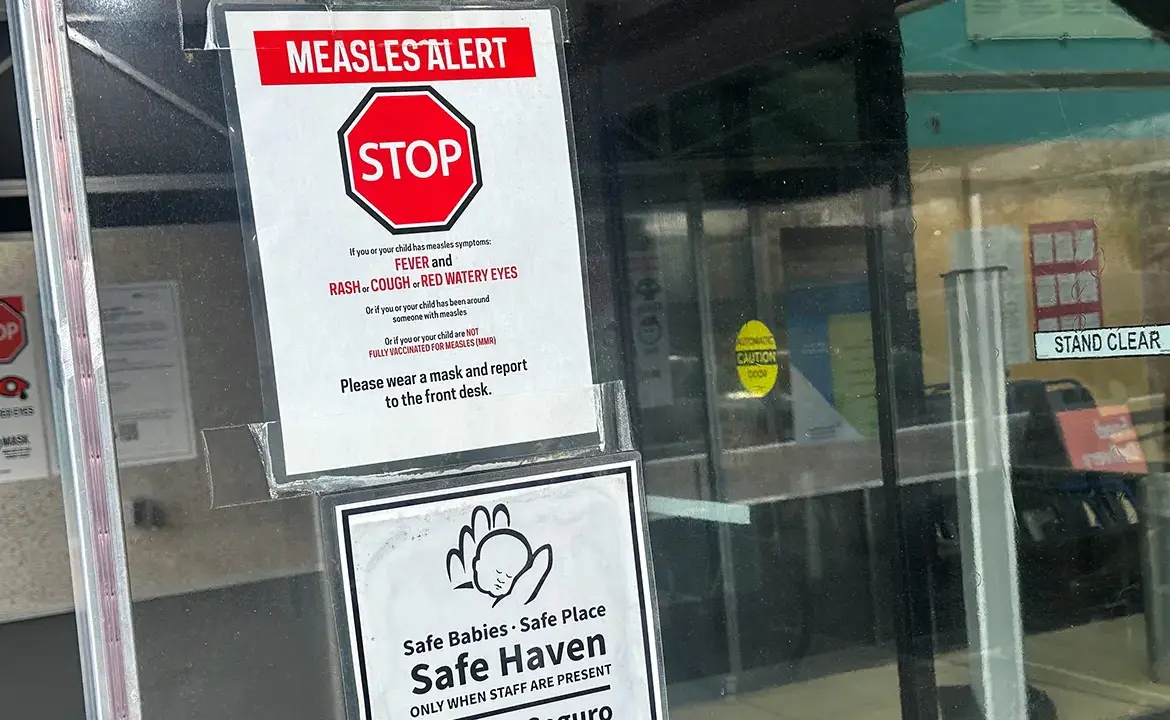
Understanding the Measles Outbreak in Washington D.C.
Introduction
The recent measles outbreak in Washington D.C. has raised significant concerns among health officials and residents alike. Measles, a highly contagious viral disease, continues to pose risks, especially in areas where vaccination rates have dropped. Understanding the implications of this outbreak is vital for public health and safety.
Current Situation
This year’s measles outbreak in D.C. has been linked to several cases reported since late summer, with a notable spike in cases among unvaccinated populations. According to the D.C. Department of Health, as of October 2023, there have been at least 15 confirmed cases, primarily affecting young children who were not vaccinated. The health department is urging families to ensure their children’s vaccinations are up to date, as the virus can spread rapidly in close communities.
The symptoms of measles typically appear 7 to 14 days after exposure and include a high fever, cough, runny nose, and a distinctive rash. Health experts emphasize the importance of early detection and isolation of infected individuals to prevent further spread.
Vaccination Campaign
In response to the outbreak, health officials have ramped up vaccination efforts. Free vaccination clinics are being offered in various locations across the city to encourage residents to get vaccinated. The Centers for Disease Control and Prevention (CDC) states that two doses of the measles, mumps, and rubella (MMR) vaccine are about 97% effective at preventing measles. Officials are particularly focusing on educating communities about the safety and importance of the vaccine.
Public Health Concerns
The measles outbreak has raised alarms regarding public health complacency, as vaccination rates in some neighborhoods have fallen below the herd immunity threshold. Experts suggest that misinformation about vaccines has contributed to hesitancy among some parents. Consequently, public health campaigns are being launched to combat vaccine misinformation and educate the public about the benefits of vaccinations.
Conclusion
The ongoing measles outbreak in D.C. serves as a reminder of the importance of vaccinations in public health. As cases continue to be recorded, health officials stress that community participation in vaccination drives is crucial. Parents are encouraged to consult healthcare providers about vaccinations for their children. The future health landscape will depend significantly on collective action to ensure high vaccination rates, ultimately protecting vulnerable populations and preventing further outbreaks.