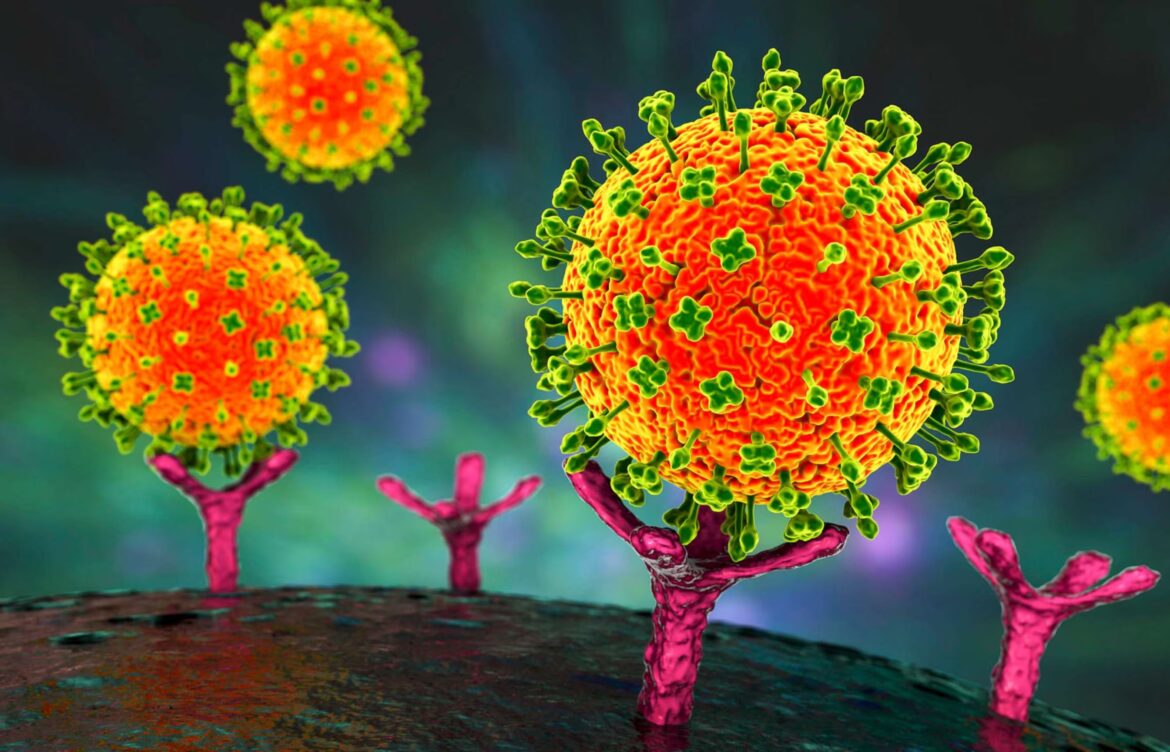
Understanding the India Nipah Virus Outbreak of 2023
Introduction
The Nipah virus outbreak in India has once again brought attention to the potential threats posed by zoonotic diseases. This virus, which is transmitted from animals to humans, can lead to severe health complications and poses a significant public health challenge. The recent reports from the southern state of Kerala have heightened fears due to the virus’s high mortality rate and lack of specific treatment options. Understanding the outbreak’s context and implications is essential for public health awareness and prevention strategies.
Details of the Outbreak
As of October 2023, Kerala has reported multiple cases of the Nipah virus, with several patients exhibiting symptoms consistent with the infection. The state health department has initiated contact tracing and rigorous surveillance in the affected areas. The virus is known to cause encephalitis and respiratory illness in humans and has a mortality rate ranging from 40% to 75% in confirmed cases. The WHO has previously warned that outbreaks can occur due to spillover events, often linked to environmental and climate changes impacting bat habitats, which are natural reservoirs for the virus.
Preventive Measures and Public Response
The Indian government, in collaboration with local health authorities, has implemented multiple preventive measures to combat the outbreak. This includes increased public health awareness campaigns focusing on hygiene practices, monitoring of fruit bat populations, and restrictions on the consumption of raw date palm sap, a known vector of transmission. The state is also enhancing its healthcare infrastructure to manage potential surges in cases. Communities are encouraged to report any unusual health developments promptly.
Conclusion
The Nipah virus outbreak in India serves as a reminder of the delicate balance between human health and environmental factors. With rising incidents of zoonotic diseases globally, experts urge for continued vigilance and preparedness in public health systems. As authorities work to control the current outbreak, it becomes imperative for citizens to remain informed and adhere to health advisories. Future forecasts suggest that vulnerability to such outbreaks may increase unless proactive measures are taken to mitigate environmental risks and strengthen health systems.