Understanding Measles Symptoms and Their Importance
Introduction to Measles
Measles is a highly contagious viral disease that presents significant public health challenges, especially in areas with low vaccination rates. With recent outbreaks reported in various parts of the world, understanding the symptoms is vital for early diagnosis and prevention of further transmission. The significance of awareness surrounding measles symptoms cannot be overstated, as quick identification can lead to timely intervention and help mitigate outbreaks.
Common Symptoms of Measles
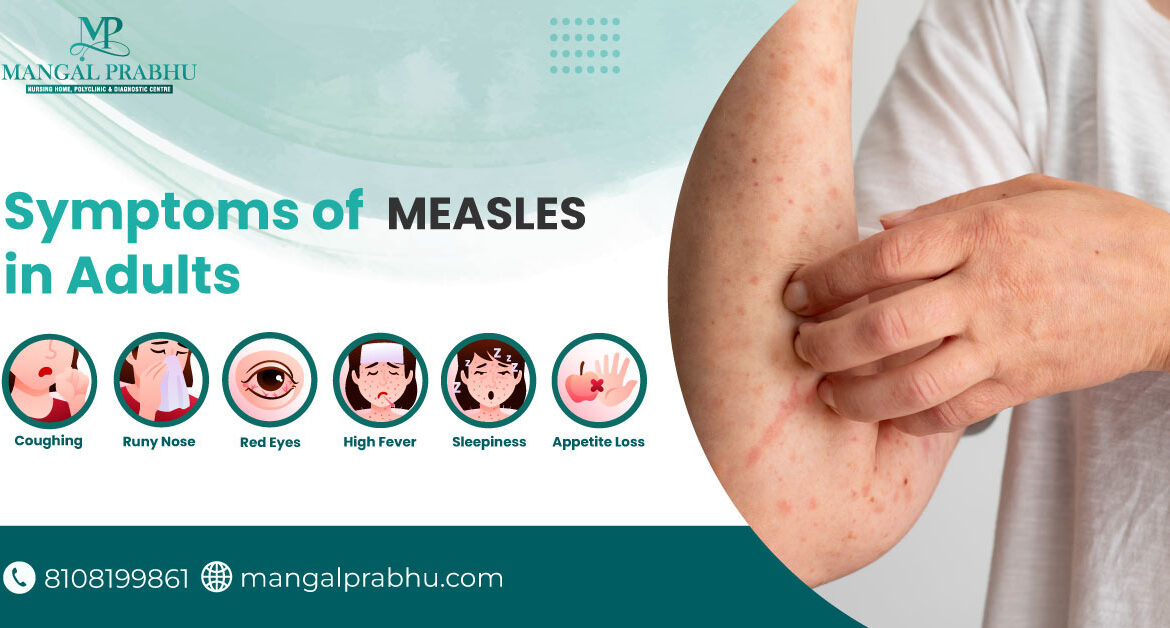
Measles typically begins with a few days of mild to moderate fever, which can escalate to as high as 105°F (40.5°C). Following the fever, affected individuals may experience a range of symptoms including:
- Cough: A dry cough that may worsen over time.
- Runny Nose: Nasal congestion and discharge are common.
- Red Eyes: Conjunctivitis or red, watery eyes is a prevalent symptom.
- Light Sensitivity: Increased sensitivity to light may also occur.
- Rash: A characteristic red, blotchy rash usually appears 3 to 7 days after the onset of the initial symptoms, typically beginning at the hairline, then spreading to the rest of the body.
It is important for parents and caregivers to be aware that symptoms can take 10 to 14 days to appear after exposure to the virus.
The Importance of Vaccination
Vaccination remains the most effective way to prevent measles and its complications. The MMR vaccine (measles, mumps, rubella) is highly effective, providing long-term immunity against measles. Public health organizations, such as the CDC and WHO, recommend that children receive two doses of the vaccine—first between 12-15 months of age and again between 4-6 years. Vaccination not only protects individuals but also helps maintain herd immunity within the community, crucial for protecting those who cannot be vaccinated due to medical reasons.
Conclusion and Future Outlook
With the resurgence of measles incidents in various regions, recognizing and acting upon measles symptoms is paramount. Continued public education about measles and the importance of vaccination will be critical in preventing outbreaks. Health authorities are urged to maintain and even boost vaccination rates to safeguard public health, especially as misinformation exists concerning vaccine safety. Promoting accurate knowledge about measles symptoms and vaccination can lead to healthier communities and a decrease in future outbreaks.