Understanding Current Trends in Traffic Safety and Management
Importance of Traffic Management
Traffic management is a critical aspect of urban infrastructure that affects the daily lives of millions. With increasing urbanization, cities have become more congested, leading to challenges that threaten safety, efficiency, and environmental sustainability. Addressing traffic congestion is not only essential for enhancing mobility but also for improving public health and reducing emissions.
Current Traffic Trends and Data
Recent studies have indicated a significant rise in traffic congestion, particularly post-pandemic as economies reopened. According to INRIX, a global transportation analytics company, traffic levels in major U.S. cities have returned to pre-pandemic levels, often exceeding them during peak hours. Cities like Los Angeles and New York have reported congestion levels 10% higher than they were in 2019.
Innovative Strategies for Traffic Management
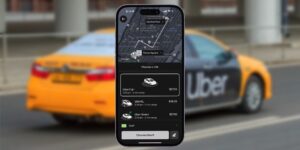
To combat these issues, cities are increasingly turning to technology-driven solutions. Smart traffic light systems that adjust timing based on real-time conditions are gaining popularity. For instance, the city of San Francisco has implemented adaptive traffic signals that have reportedly reduced wait times by up to 25%. Furthermore, the use of mobile applications for navigation, such as Google Maps and Waze, has improved driver awareness and rerouted traffic to alleviate congestion.
Importance of Public Transit
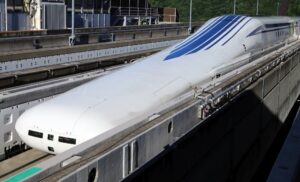
Public transit systems are another crucial element in effective traffic management. Expanding subway lines and bus networks can reduce the number of vehicles on the road. For example, cities like Chicago are investing in their transit infrastructures to encourage mass transportation, aiming for a 20% increase in ridership by 2025.
Conclusion
As urbanization continues to rise, the significance of effective traffic management becomes increasingly evident. With current trends pointing towards a need for innovative solutions, cities must leverage technology and enhance public transit systems to ensure safe and efficient movement of people and goods. The future of traffic management holds great promise if successful strategies are adopted, ultimately leading to more livable urban environments.