Recent Developments in WMATA Transit Services
Importance of WMATA
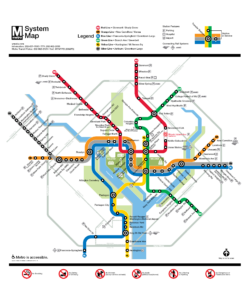
The Washington Metropolitan Area Transit Authority (WMATA) plays a crucial role in public transportation for the D.C. metro area, serving millions of riders each year. As communities and urban centers resume normal activities post-pandemic, the efficiency and reliability of WMATA services are more important than ever. Current updates concerning their services can significantly impact daily commuters, travelers, and the region’s overall economic health.
Recent Improvements and Investments
In recent months, WMATA has announced an ambitious plan that involves a multi-million-dollar investment in infrastructure improvements. The plan includes updating aging train cars, enhancing station accessibility, and expanding service frequencies during peak hours. Moreover, as of early 2023, WMATA has implemented a new real-time tracking feature in their mobile app, allowing riders to get updated transit times and plan their journeys more effectively.
Additionally, a safety initiative aims to install more surveillance cameras across stations and onboard trains. This measure is in response to rising safety concerns among riders and is part of broader efforts to create a safer commuting environment.
Challenges Faced
Despite these constructive developments, WMATA continues to face challenges, including budget shortfalls and staffing shortages. Local government funding has been inconsistent, creating hurdles in sustaining service improvements. Moreover, the pandemic’s lasting effects on ridership are still being felt, with many commuters slow to return to public transport.
Looking Ahead
Forecasts suggest that as the region recovers and ridership gradually increases, WMATA will need to focus on adaptive strategies to meet the evolving needs of the community. Building a robust marketing campaign aimed at encouraging public transport use might be essential in reassociating commuters with the benefits of WMATA services. Furthermore, ensuring continued investment and stakeholder collaboration will be crucial in maintaining and enhancing the existing infrastructure.
Conclusion
Whether it’s improving safety, the efficiency of services, or overall commuter experience, the developments within WMATA are vital not just for the transportation network, but for the socio-economic fabric of the D.C. metro area. As residents and authorities alike engage with these changes, the future of public transit in Washington D.C. appears ripe with opportunities for improvement and innovation.