The Rise of Uber Ride Services and Their Impact on Urban Transport
Introduction
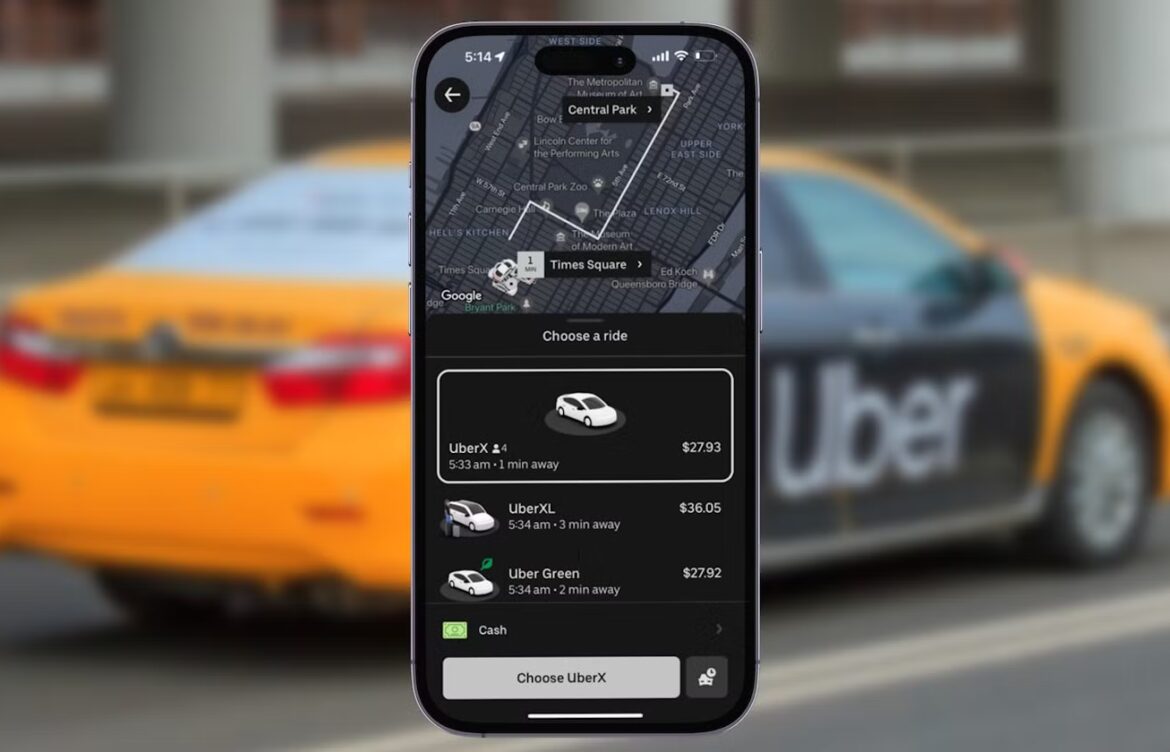
Uber, founded in 2009, has revolutionized the way people commute in urban areas. Offering a convenient alternative to traditional taxis, the Uber ride service has become an integral part of many city dwellers’ daily lives. With safety, efficiency, and accessibility at its core, Uber continues to expand its reach and influence.
Recent Developments in Uber Services
As of October 2023, Uber has seen significant growth, especially following the easing of global pandemic restrictions. The company reported a 20% increase in rides during the last fiscal quarter, attributed to a resurgence in urban mobility. Innovations such as Uber Comfort and Uber XL have been introduced, allowing riders more choices tailored to their preferences.
Impact on Urban Mobility
The impact of Uber rides extends beyond just convenience. Studies indicate that the presence of Uber and similar ride-sharing services has reduced the frequency of personal vehicle usage, contributing to decreased traffic congestion and lower emissions. A 2023 report from the Urban Mobility Institute suggests that cities with strong ride-sharing programs experience 10-15% less congestion compared to those without.
Challenges and Criticisms
Despite its benefits, Uber has faced several challenges. Regulatory scrutiny has increased across various markets, with cities implementing stricter regulations on ride-sharing services. Furthermore, concerns regarding worker classification and driver pay remain contentious issues. In response, Uber has been active in lobbying for favorable policies while addressing driver concerns through incentive programs.
Conclusion
The future of Uber rides looks promising, with continual innovation and adaptation to challenges in the urban mobility landscape. As cities strive for smarter transportation solutions, Uber’s role in the ecosystem cannot be understated. With its growing services, from food delivery to electric bikes and scooters, Uber is poised to remain a key player in transforming how we navigate urban environments. For commuters, embracing Uber rides not only provides convenience but also contributes to more sustainable urban transportation practices.