The Rise of Maglev: Transforming Transportation
Introduction to Maglev Technology
Maglev, short for magnetic levitation, is a revolutionary form of transportation that utilizes powerful magnets to lift and propel vehicles along a track. This technology offers significant advantages over conventional rail systems, including reduced friction, higher speeds, and quieter operation. As countries look for faster, more efficient transport solutions, maglev systems have gained increased attention and investment.
Recent Developments in Maglev Systems
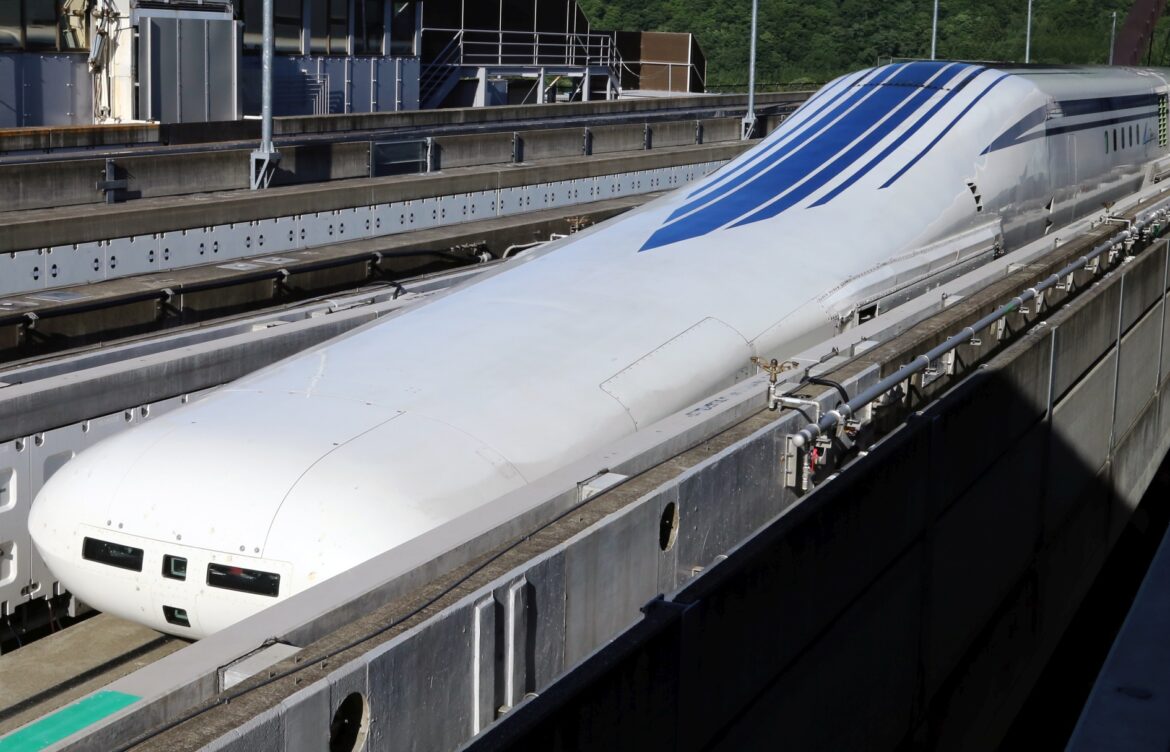
In early 2023, Japan launched its newest maglev train, which achieved speeds exceeding 600 kilometers per hour (approximately 373 miles per hour) during a test run. This train is set to connect Tokyo and Nagoya, reducing travel time to just 40 minutes. Meanwhile, China continues to develop its extensive maglev network, with plans for routes connecting major cities expected to debut by the end of 2024. These developments underline the growing global interest in high-speed, environmentally friendly transit options.
Challenges Facing Maglev Technology
Despite the advancements, maglev technology faces several challenges, particularly in terms of funding and infrastructure. Building maglev lines can be significantly more expensive compared to traditional rail. In addition, the need for specialized train stations and the potential impact on existing urban landscapes are hurdles that must be overcome. Countries must weigh these issues against the long-term benefits of reduced travel times and lower emissions.
The Future of Maglev Transportation
Looking forward, experts predict that maglev technology will play a critical role in the future of transportation. Some analysts estimate that by 2030, several major urban centers may implement maglev systems, potentially revolutionizing daily commutes and long-distance travel. Additionally, ongoing research aims to reduce construction costs and increase efficiency, which could lead to wider adoption across the globe.
Conclusion
Maglev technology represents a significant shift in how people think about moving from one place to another. With ongoing developments and emerging projects across the globe, it is clear that maglev will be at the forefront of transportation innovation in the coming decades. As nations invest in creating faster, cleaner, and more efficient transit solutions, the full potential of maglev systems could eventually be realized, transforming travel experiences for millions.