Latest Updates on WMATA: A Key Player in Washington Metro
Introduction to WMATA
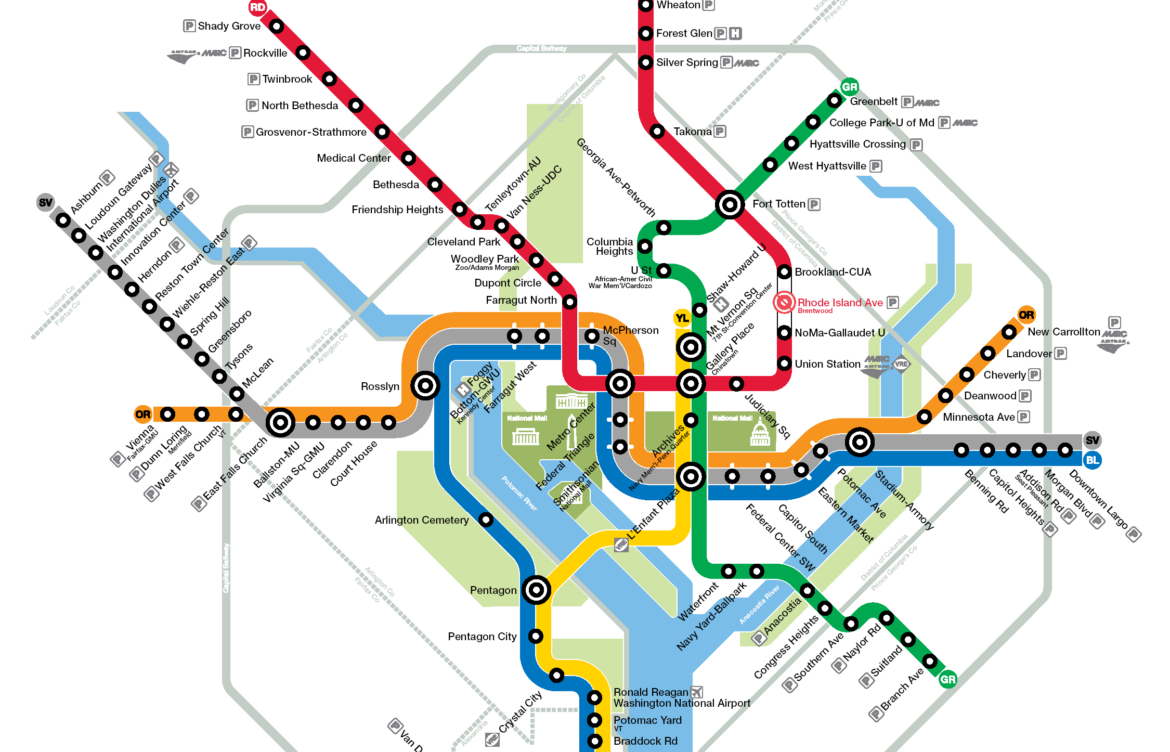
The Washington Metropolitan Area Transit Authority (WMATA) plays a crucial role in the transportation infrastructure of the D.C. metropolitan area. It operates the Metrorail and Metrobus systems, providing essential services for thousands of commuters daily. As urban centers evolve and new challenges emerge, WMATA’s adaptability and efficiency are increasingly significant for residents and visitors alike.
Recent Developments
As of October 2023, WMATA has been making headlines due to several key initiatives aimed at improving service reliability and rider safety. One of the paramount upgrades has been the ongoing modernization of the Metrorail system, including the replacement of aging rail cars and infrastructure enhancements. These upgrades not only aim to reduce delays but also promote energy efficiency and sustainability.
Moreover, WMATA recently secured federal funding for a $25 million pilot program aimed at implementing a zero-emission bus fleet, which is projected to reduce carbon emissions by over 20% in the next decade. The pilot will focus on high-ridership corridors and is part of a broader initiative to embrace eco-friendly technologies in public transportation. This initiative aligns with the U.S. government’s push for sustainable urban transport solutions.
Service Adjustments
In response to changes in ridership patterns post-COVID-19, WMATA has also adjusted its service schedules, with late-night service reinstated on several lines following public demand. Additionally, WMATA has introduced a new mobile app feature that allows users to receive real-time updates on train arrivals, making commuting more convenient.
Conclusion
The future of WMATA remains a subject of keen interest as the agency strives to meet growing demand while addressing modernization challenges. Enhancements to the Metro system, introduction of green technologies, and improved communication with riders signify a transformative era for Washington’s public transport system. For commuters and stakeholders, these developments promise a more efficient, reliable, and sustainable travel experience, vital for supporting the vibrancy of the D.C. metropolitan area.