The Transformative Role of AI in Healthcare
Introduction
Artificial Intelligence (AI) has rapidly emerged as a transformative force in various industries, and healthcare is no exception. As technology continues to advance, the integration of AI in healthcare presents opportunities to enhance patient care, streamline operations, and improve overall outcomes. This topic is increasingly relevant as healthcare systems worldwide strive to cope with growing demands and the complexities of patient management.
Current Applications of AI in Healthcare
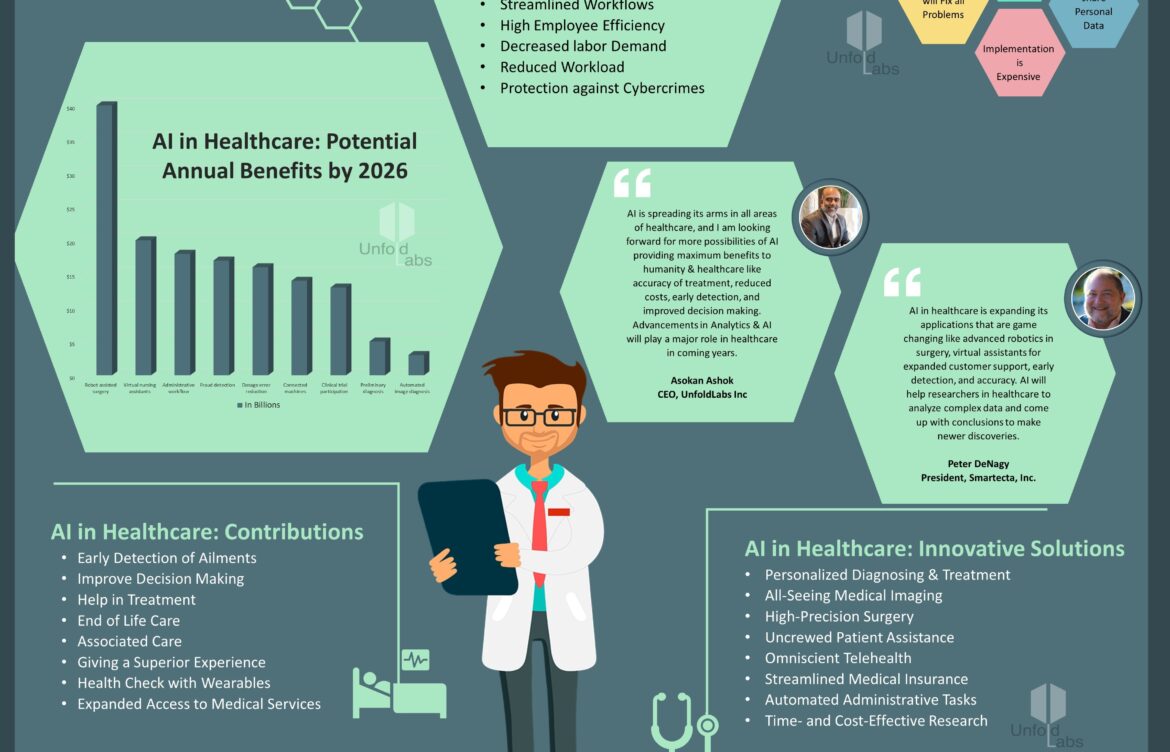
AI technologies are already making a significant impact across multiple areas of healthcare. One of the most notable applications is in diagnostic imaging, where AI algorithms can analyze medical images with remarkable precision. For instance, studies indicate that AI systems can detect signs of conditions such as cancer in radiology images at rates comparable to, or even surpassing, expert radiologists.
Moreover, AI is being used to personalize treatment plans. By analyzing vast datasets, including genetic information and clinical histories, AI can assist healthcare providers in identifying the most effective therapies tailored to individual patients. Furthermore, AI-driven chatbots and virtual health assistants facilitate patient engagement, providing 24/7 support for common inquiries and guiding patients through their healthcare journey.
Impact on Healthcare Operations
Beyond direct patient care, AI is also revolutionizing healthcare operations. Predictive analytics powered by AI can help hospitals anticipate patient admissions and optimize resource allocation, reducing wait times and improving patient satisfaction. In addition, automation of administrative tasks such as billing and appointment scheduling allows healthcare professionals to focus more on patient care rather than routine paperwork.
Challenges and Considerations
Despite the benefits, the integration of AI in healthcare poses several challenges. Concerns regarding data privacy, ethical implications, and biases in AI algorithms must be addressed to ensure patient safety and trust. Regulatory bodies are increasingly looking into establishing guidelines and standards for the use of AI technologies in healthcare to safeguard patient interests while promoting innovation.
Conclusion
The significance of AI in healthcare cannot be overstated. As technology continues to evolve, its potential for improving patient care and operational efficiencies will likely expand. However, addressing the challenges that accompany this technology remains crucial. Stakeholders in the healthcare industry—including providers, policymakers, and technology developers—must work collaboratively to navigate these complexities. Looking ahead, the future of healthcare may very well be characterized by a harmonious integration of AI, leading to improved health outcomes and enhanced patient experiences.