The Symbolism and Significance of the Puerto Rico Flag
Introduction
The Puerto Rico flag is a powerful emblem of identity and pride for the Puerto Rican people. Since its adoption in 1952, the flag has represented not only the island’s unique cultural heritage but also its complex political status as a U.S. territory. Understanding the flag’s design and historical context is crucial for grasping the nuances of Puerto Rican identity and the ongoing discussions surrounding its status.
History of the Puerto Rico Flag
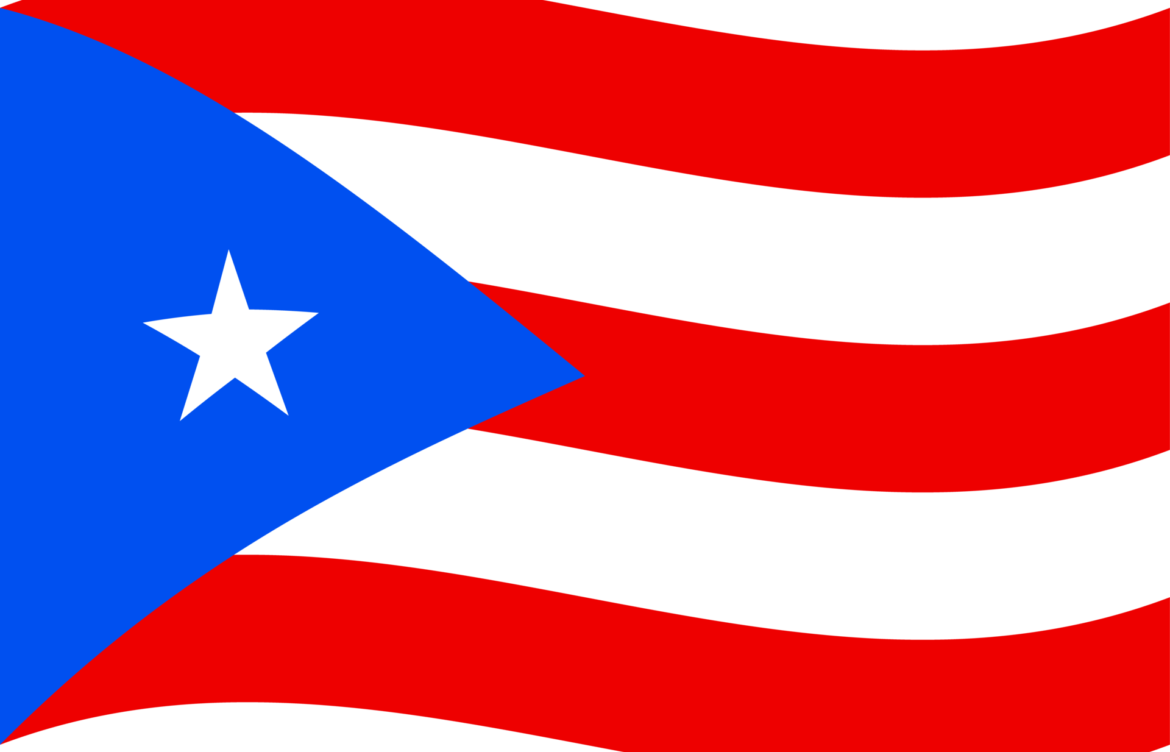
The Puerto Rican flag was designed in 1895 by Francisco Gonzalo Marín, who was inspired by the Cuban flag and sought to represent Puerto Rico’s fight for independence from Spanish colonial rule. In Marín’s design, the colors symbolize the following: the red stripes represent the blood shed by the patriots, the white stripes signify freedom and peace, and the blue triangle denotes the sky and the coastal waters of Puerto Rico. In 1952, the flag was officially adopted as the national flag of the Commonwealth of Puerto Rico.
Design and Symbolism
The flag consists of five horizontal stripes, with three red stripes and two white stripes, along with a blue triangle containing a white star. Each element serves as a reminder of Puerto Rico’s resilience and aspirations. Red symbolizes the blood of the brave; white stands for peace; and blue represents the sky and coastal waters. The lone star symbolizes the island itself, signifying Puerto Rico as a nation.
Recent Events and Cultural Impact
In recent years, the Puerto Rico flag has gained prominence during significant political movements, especially regarding discussions on the island’s status as a U.S. territory. In 2020, during the protests against the then-Governor Wanda Vázquez, the flag was prominently featured, showcasing its role as a symbol of resistance and unity among Puerto Ricans. The visibility of the flag during such events has sparked debates about national identity and the quest for statehood or independence.
Conclusion
The Puerto Rico flag is more than just a piece of fabric; it is a symbol of the island’s rich history, cultural pride, and ongoing political discourse. As Puerto Ricans and their supporters continue to fight for the island’s rights and recognition, the flag remains a steadfast representation of their identity. Understanding the flag’s significance encourages a deeper appreciation for Puerto Rico’s struggles and aspirations, highlighting the importance of awareness in discussions about sovereignty and self-determination.