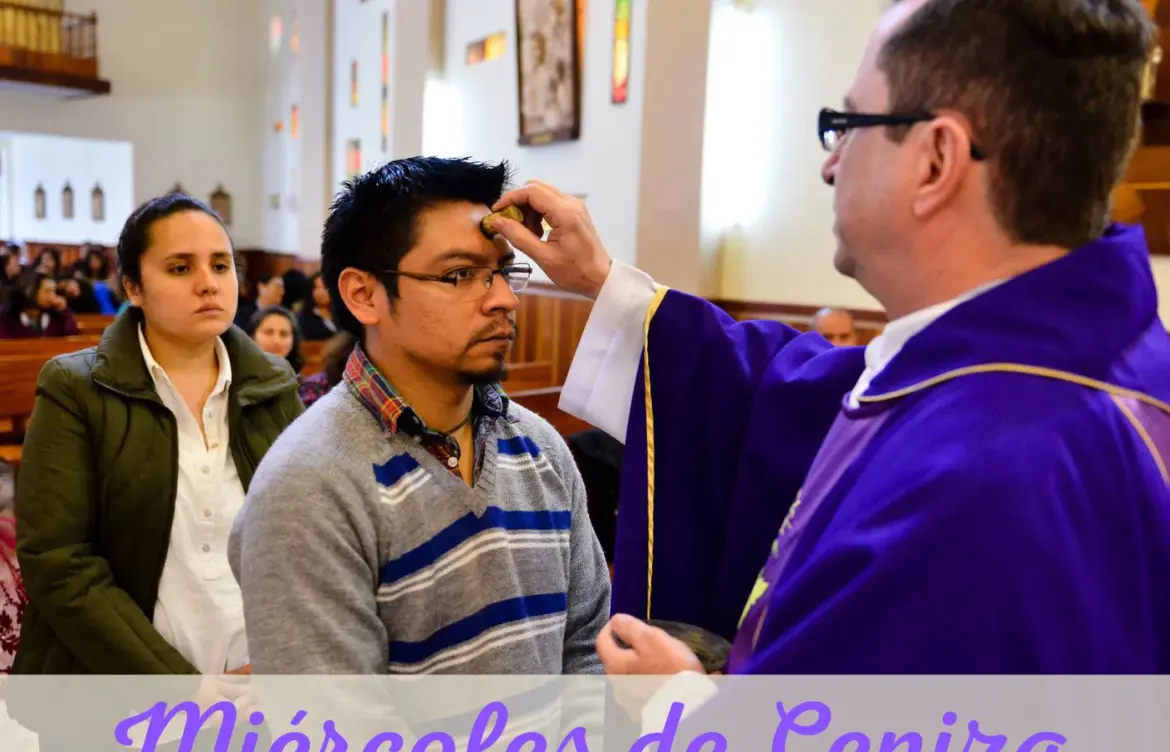
Understanding Miercoles de Ceniza: A Day of Reflection
Introduction
Miercoles de Ceniza, or Ash Wednesday, marks the beginning of Lent in the Christian calendar, observed by millions around the world. This day is significant as it initiates a 40-day period of fasting, prayer, and penance leading up to Easter. As communities gather for services to receive ashes on their foreheads, it represents a profound moment of reflection and repentance.
The Importance of Miercoles de Ceniza
Traditionally, Miercoles de Ceniza emphasizes themes of mortality and the need for personal reflection. The ashes symbolize both sorrow for sin and the desire for renewal. In 2023, Ash Wednesday fell on February 22, and churches saw an uptick in attendance, as many individuals used this day to recommit to their faith.
Celebrations and Observances
On Miercoles de Ceniza, various rituals take place across different Christian denominations. Masses and services often include the imposition of ashes, which are made from the burned palm branches of the previous year’s Palm Sunday. These ashes are typically blessed, and clergy often recite the words, “Remember that you are dust, and to dust you shall return,” reminding congregants of their humanity. In addition to church services, many participants opt to start their Lenten fasts on this day, abstaining from luxuries to reflect on their spiritual journey.
Cultural Impact
Beyond religious observance, Miercoles de Ceniza influences cultural practices in various countries. In Mexico, for example, traditional dishes such as fish and vegetables become popular, as many Catholics abstain from meat during Lent. Similar customs are observed in other Latin American countries, where families gather to break bread and share in the solemnity of the day.
Conclusion
Miercoles de Ceniza serves not only as a spiritual launchpad for the Lenten season but also as a moment in time for communal reflection on personal choices and moral values. As more individuals participate in this observance, it contributes to a greater awareness of religious traditions and underscores the importance of community during periods of reflection and sacrifice. For many, it symbolizes the beginning of a transformative journey leading up to Easter, fostering spiritual growth and a deeper connection to faith.