Understanding the Significance of Ramadan in 2023
Introduction
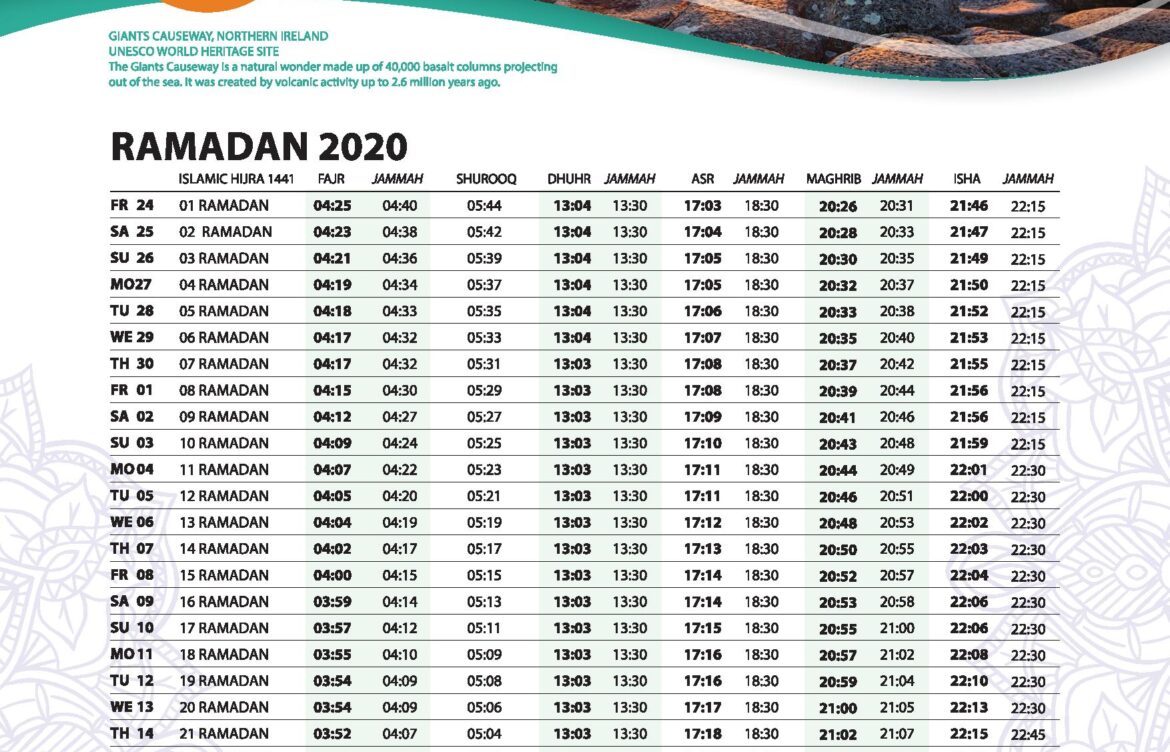
Ramadan, the ninth month of the Islamic lunar calendar, holds immense importance for Muslims worldwide as a month of fasting, prayer, and reflection. In 2023, Ramadan is expected to begin on the evening of March 23 and will last until the evening of April 21, drawing millions to observe traditions and strengthen their faith.
Cultural and Religious Significance
For Muslims, Ramadan is not just about abstaining from food and drink from dawn until sunset; it also emphasizes spiritual growth, self-discipline, and community ties. The holy month commemorates the first revelation of the Quran to the Prophet Muhammad, and it serves as a time for deepened spiritual connection through increased prayer, reading of the Quran, and acts of charity.
Global Observance
This year, various countries will observe Ramadan in unique ways due to local customs and traditions. For instance, in Indonesia, the world’s largest Muslim-majority country, communal iftar (the meal that breaks the fast) is common, often featuring traditional dishes. In the Middle East, families gather in homes adorned with lanterns to celebrate together. Meanwhile, Western countries see an increase in interfaith events and community outreach as Muslims invite their non-Muslim neighbors to share in the experience.
Impact of Current Events
As Ramadan approaches in 2023, ongoing global events continue to influence how it is observed. The COVID-19 pandemic profoundly affected Ramadan traditions in previous years, with many places seeing enhanced health measures and virtual gatherings. However, in 2023, most communities are poised to return to more traditional celebrations while remaining mindful of lingering health guidelines. The economic situation worldwide, from inflation to fuel prices, also plays a role as families adjust their budgets for special meals and charitable donations.
Conclusion
As Ramadan unfolds this year, it is not only a time for fasting but also a moment of unity and reflection amid a backdrop of global challenges. For Muslims, it serves as a reminder of the importance of empathy, community engagement, and personal growth. As more individuals participate in Ramadan rituals, there is a growing opportunity for interfaith dialogue and understanding, which is crucial in our diverse world. The significance of Ramadan extends beyond individual faith, impacting communities and fostering connections that can lead to a more harmonious society.