The Dynamic Landscape of Asia: Culture and Economy
Introduction
Asia, the largest continent, is home to over 4.6 billion people, making it a melting pot of cultures, languages, and traditions. From the bustling streets of Tokyo to the serene temples of Bali, Asia’s diversity is vast and continues to shape global culture and markets. Understanding Asia’s cultural and economic significance is crucial, especially as it plays a pivotal role in global affairs.
Asia’s Cultural Diversity
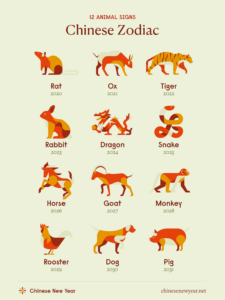
The continent spans 49 countries, each with its unique identity. Major cultural practices and festivals, such as Diwali in India, Tet in Vietnam, and Chinese New Year, reflect the traditions and beliefs of various ethnic groups. The region is also the birthplace of major religions including Hinduism, Buddhism, and Islam, which influence billions of lives and global practices today.
In recent years, Asian pop culture has gained international recognition, with K-Pop from South Korea and Bollywood films from India capturing audiences worldwide. This cultural interchange reflects Asia’s growing influence, with soft power becoming a tool for countries to enhance their global standing.
Economic Significance
Asia is also a powerhouse in the global economy. The continent is home to some of the world’s largest economies, including China, Japan, and India. According to the International Monetary Fund, Asia contributed over 60% of global growth in recent years and is expected to continue this upward trajectory.
China, with its rapid industrialization and technological advancements, has become the world’s second-largest economy and a leader in areas such as e-commerce and artificial intelligence. India is also witnessing significant growth, driven by its young population and digital transformation. Moreover, Southeast Asian nations are emerging as key players in trade and manufacturing, bolstered by regional agreements like the Regional Comprehensive Economic Partnership (RCEP).
Conclusion
As Asia continues to evolve, its cultural and economic landscapes are crucial to understanding international dynamics. The continent’s rich traditions and booming economies contribute significantly to global diversity and development. For businesses and individuals alike, recognizing Asia’s importance is essential for participation in the increasingly interconnected world. Future innovations and exchanges originating from Asia are likely to continue shaping global trends, making it vital for stakeholders across various fields to stay informed about this dynamic continent.