The Significance of Saros in Eclipses
Introduction to Saros
The Saros cycle is a period of approximately 18 years, 11 days, and 8 hours that is pivotal for predicting eclipses. This cycle is an essential tool for astronomers and historians who track solar and lunar eclipses through the ages. The significance of saros lies in its ability to allow scientists and enthusiasts alike to confidently forecast eclipses, enriching our understanding of celestial movements.
The Saros Cycle Explained
Each Saros cycle consists of a series of eclipses that occur at the same node of the Moon’s orbit. When an eclipse occurs, it does so on a specific path, which is dictated by the geometry of the Earth, Moon, and Sun. After approximately 18 years, the Earth, Moon, and Sun realign in such a way that the same type of eclipse will occur again, albeit in a slightly different geographical location. This unique astronomical phenomenon has been utilized for centuries by astronomers to map the timing of eclipses.
Historical Context
The Babylonians were some of the earliest civilizations to recognize the significance of the saros cycle around 700 BC, utilizing it for their astronomical tables. Their observations allowed them to predict eclipses accurately. Ancient cultures around the world, including the Greeks and the Maya, also documented the patterns of eclipses and understood the repetitive nature of the saros.
Recent Events Related to Saros
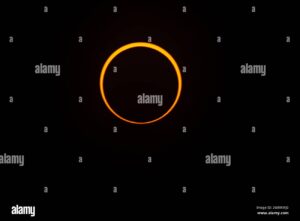
As of October 2023, the world witnessed a remarkable hybrid solar eclipse on October 14, which occurred during a saros series that began in 1985. The geographic path of this eclipse touched various regions across North America and South America, captivating eclipse chasers and astronomy enthusiasts. Such events only highlight the relevance of the saros cycle, which remains vital in modern astronomical research and events.
Conclusion and Significance
Understanding saros cycles is crucial not only for predicting eclipses but also for appreciating the astronomical phenomena that affect our planet. As we look forward to future eclipses, including the upcoming total solar eclipse expected in April 2024, the importance of the saros cycle will remain at the forefront of astronomical efforts. For interested readers, learning about the saros not only enriches one’s knowledge of the universe but also enhances the experience of witnessing these magnificent celestial events.