Exploring the Hubble Egg Nebula Image
Introduction
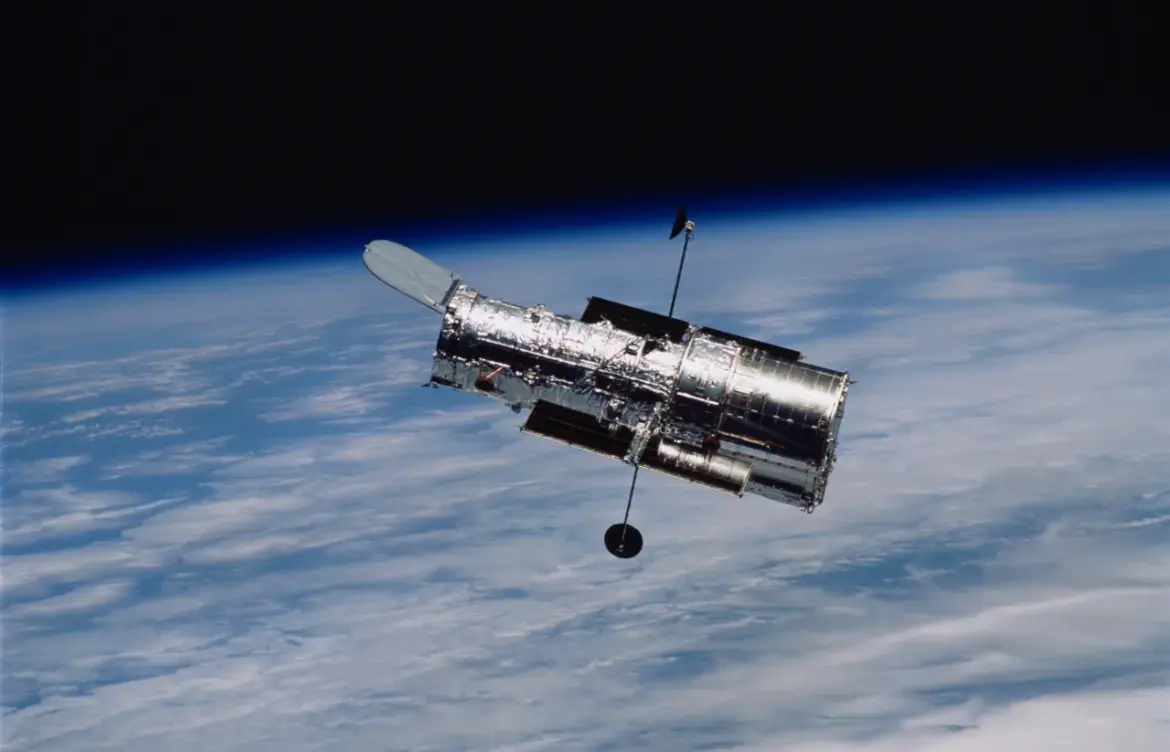
The Hubble Space Telescope has long been a powerful tool for astronomers, enabling them to capture breathtaking images of celestial phenomena. One such captivating subject is the Egg Nebula, which has gained attention recently due to newly released images from Hubble. Understanding the Egg Nebula and its visual representation not only enhances our appreciation for the universe but also helps scientists unravel the mysteries of stellar evolution.
What is the Egg Nebula?
The Egg Nebula, also known as the MYG 1-2, is a protoplanetary nebula located approximately 3,000 light-years away in the constellation of Draco. It is notable for its distinctive shape, which resembles an egg, hence its name. The nebula is formed as a dying star expels its outer layers, creating beautiful structures that are both intricate and dynamic.
Significance of the Hubble Egg Nebula Image
The recent images captured by the Hubble Telescope show the Egg Nebula in stunning detail, revealing complex structures and colorations that highlight its beauty and scientific importance. This advanced imaging allows astronomers to study the different layers of gas and dust surrounding the star at the center, gaining insights into the processes that lead to the formation of planetary systems.
Hubble’s observations showcase stunning color contrasts and filaments, which help scientists to understand the chemical composition of the nebula as well as the physical processes occurring within. These details can inform our understanding of similar celestial objects, and potentially, the formation of Earth-like planets.
Recent Developments
The newly released images from Hubble have sparked interest among both the general public and the scientific community. As ongoing research focuses on the life cycle of stars, the unique features of the Egg Nebula provide a valuable case study for understanding how elements are produced and dispersed in the universe. The data derived from these images could lead to more information on the types of materials available for future planet formation.
Conclusion
The latest Hubble Egg Nebula image not only highlights the stunning visuals of the cosmic landscape but also reinforces the significance of scientific exploration and inquiry. As astronomers continue to study these various celestial phenomena, we gain a deeper understanding of the universe, which inspires future generations of astronomers and enthusiasts alike. The Egg Nebula remains a testament to the beauty and mystery of space, reminding us of the endless wonders that await discovery in our universe.