The Upcoming Annular Solar Eclipse: What You Need to Know
Introduction
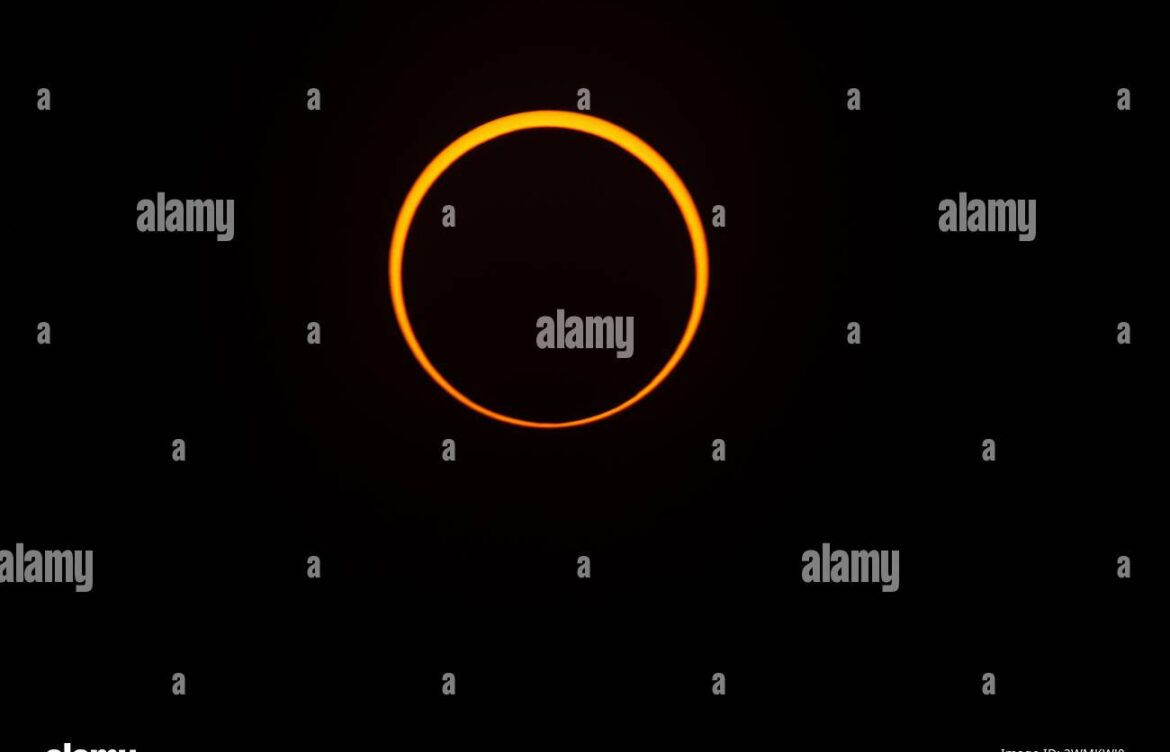
An annular solar eclipse is a captivating celestial event that occurs when the Moon passes between the Earth and the Sun, but the apparent size of the Moon is smaller than that of the Sun. This phenomenon is significant not only for astronomers but also for enthusiasts, as it offers a unique viewing experience where a “ring of fire” surrounds the Moon. As we approach the next annular solar eclipse on October 14, 2023, its importance cannot be overstated, especially considering the number of people who will have the chance to witness it directly.
What to Expect on October 14, 2023
This year’s annular solar eclipse will be observable across parts of the United States, Mexico, and Central America. The path of annularity will stretch from Oregon to Texas, providing residents and visitors in these areas an opportunity to experience the stunning visual of the Sun partially obscured by the Moon. During the peak of the eclipse, observers along the path will see a bright ring of sunlight surrounding the silhouette of the Moon.
Safety Precautions
Viewing an eclipse requires caution, as looking directly at the Sun can cause permanent eye damage. Specialized solar viewing glasses or eclipse filters are essential for safe observation. Regular sunglasses are not sufficient. Moreover, for those who are unable to access the path of annularity, partial phases of the eclipse can still be viewed with similar safety measures.
Historical Context and Cultural Significance
Throughout history, solar eclipses have been a powerful source of intrigue and reverence. Many cultures have interpreted the event as a sign from the gods or an omen of change. For modern science, eclipses allow astronomers to study the Sun’s corona and advance our understanding of solar phenomena. Educational institutions and astronomy clubs are organizing events to educate the public about the science behind solar eclipses and to foster a sense of awe and appreciation for such celestial wonders.
Looking Ahead
As the date approaches, anticipation is building for this astronomical event. Communities along the eclipse’s path are preparing for festivals and gatherings to celebrate, emphasizing awareness about safe viewing practices. It is expected that thousands will travel to the locations with the best viewing conditions, making this event a big draw for science enthusiasts and casual observers alike.
Conclusion
The annular solar eclipse on October 14, 2023, presents a unique opportunity for millions to engage with a spectacular manifestation of our solar system. With appropriate precautions and an educated approach, viewers can enjoy a mesmerizing experience that bridges science and wonder. As we await this cosmic event, it also serves as a reminder of our place in the universe and the natural phenomena that continuously inspire us.