The 2026 Eclipse: A Celestial Spectacle Awaits
Introduction
The upcoming solar eclipse on August 12, 2026, is anticipated to be one of the most significant astronomical events of the decade. Covering parts of the northern Atlantic and northeastern regions of the United States, this eclipse presents a unique opportunity for both casual observers and astronomy enthusiasts to witness nature’s spectacular show. Solar eclipses have historically sparked human fascination and curiosity, and this upcoming event is bound to do the same.
A Closer Look at the 2026 Eclipse
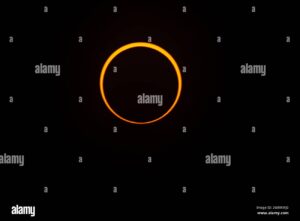
This eclipse is categorized as a total solar eclipse, where the moon completely covers the sun, casting a shadow on Earth. Observers in the path of totality will experience a dramatic and breathtaking sight as daytime becomes night for a few brief moments. The path of this total eclipse will start in the Atlantic Ocean, move across the Icelandic landscape, and then travel to several regions in Spain before ending in the Mediterranean Sea.
The eclipse will also be visible as a partial solar eclipse in many surrounding areas, including parts of Canada, the northeastern U.S., and western Europe. According to NASA, the totality—the period when the sun is completely obscured by the moon—can last up to 2 minutes and 37 seconds in certain locations along the path.
Preparation for the Event
For those planning to observe the eclipse, safety is paramount. Viewing the eclipse requires special eclipse glasses that meet the ISO 12312-2 safety standard to protect one’s eyes from harmful solar rays. Regular sunglasses, no matter how dark, are not safe for solar viewing. Furthermore, local communities and organizations are expected to host various events and educational programs leading up to the eclipse, including viewings and talks about the science behind solar eclipses.
Conclusion
Mark your calendars for the significant event on August 12, 2026, as it will not only captivate millions around the world but also serve as an excellent educational opportunity regarding celestial phenomena. As society increasingly finds itself driven by technology and screens, the 2026 eclipse serves as a reminder of the beauty of the natural world and encourages a moment of shared wonder as we collectively gaze at the sky. Keep an eye out for community events as they will enhance the experience, making it more memorable for both families and individual stargazers alike. Don’t miss this chance to witness one of the most exciting astronomical events of our time!