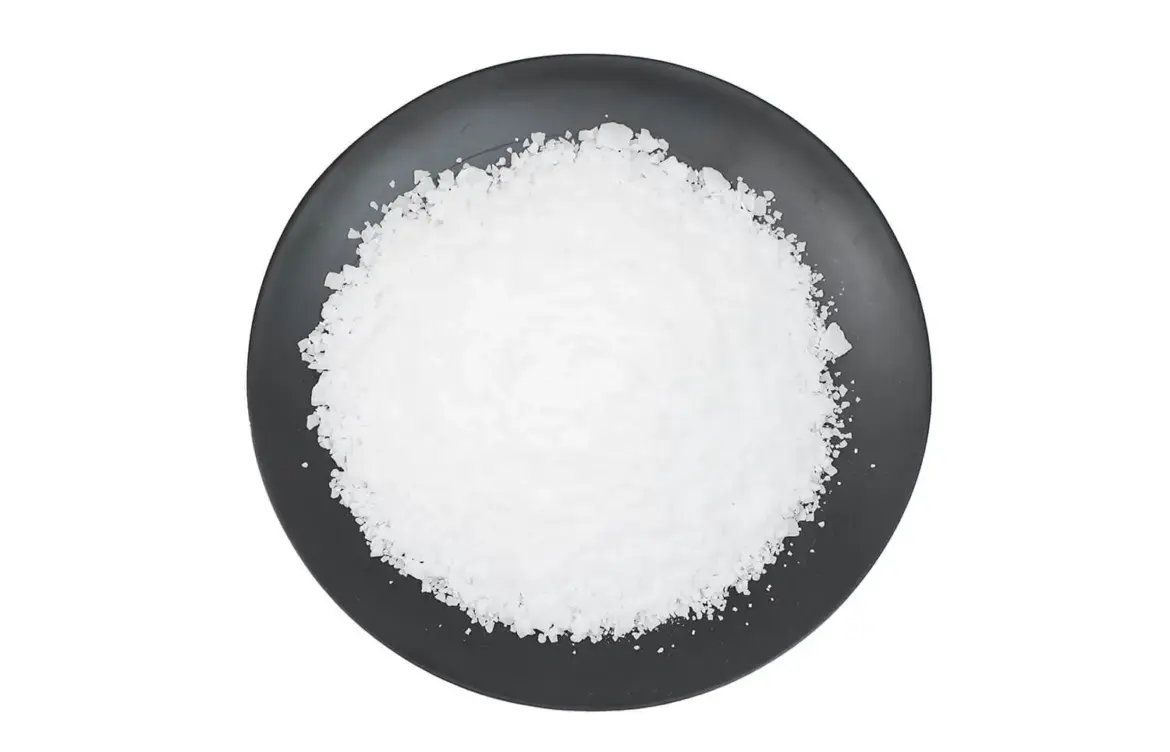
The Importance and Benefits of Hyaluronic Acid
Introduction
Hyaluronic acid, a naturally occurring substance in the human body, has gained significant attention in recent years for its remarkable benefits in skincare, medicine, and overall health. As an essential component of connective tissues, it plays a crucial role in maintaining skin hydration and elasticity, joint lubrication, and eye health. With the rise of the beauty and wellness industry, understanding hyaluronic acid’s applications can help consumers make informed decisions about their health and beauty routines.
What is Hyaluronic Acid?
Hyaluronic acid is a glycosaminoglycan, a type of molecule that holds onto water, helping retain moisture in tissues. Found in high concentrations in the skin, joints, and eyes, it is capable of holding up to 1,000 times its weight in water, making it a powerful hydrating agent. This quality has led to its widespread use in skincare products, including serums, moisturizers, and injectable dermal fillers.
Current Trends and Uses
As of October 2023, the global hyaluronic acid market is experiencing steady growth, driven by increasing demand for anti-aging products and non-surgical cosmetic procedures. According to industry analysis, the market is expected to surpass $10 billion by 2028. Many beauty brands have incorporated hyaluronic acid into their formulations, citing its ability to improve skin texture, reduce fine lines, and promote a youthful appearance.
Beyond skincare, hyaluronic acid is making waves in the medical field. Injectable forms are used in joint therapies to alleviate symptoms of osteoarthritis, providing pain relief and improved mobility for patients. Additionally, eye surgeons utilize hyaluronic acid in procedures such as cataract surgery, where it helps maintain the shape of the eye during operations.
Safety and Efficacy
One of the reasons for the growing popularity of hyaluronic acid is its exceptional safety profile. It is generally recognized as safe (GRAS) by the FDA, with minimal side effects reported. When applied topically or injected, it usually results in few or no reactions, making it suitable for people of all skin types. Nevertheless, those with allergies or sensitivity to specific ingredients should consult with a healthcare professional before use.
Conclusion
In conclusion, hyaluronic acid is a versatile compound that offers numerous benefits in skincare, joint health, and medical applications. Its ability to retain moisture and support tissue health makes it a critical ingredient in various products. As awareness of its advantages continues to grow, consumers are likely to seek out formulations containing hyaluronic acid for their daily health and beauty regimens. The burgeoning market and ongoing research will further affirm its significance in both the cosmetic and medical fields for years to come.