The Hyundai Santa Cruz: A New Era for Pickup Trucks
Introduction
The Hyundai Santa Cruz has made a significant impact on the pickup truck market since its debut in 2021. Bridging the gap between a traditional SUV and a compact pickup, the Santa Cruz offers a unique blend of utility and comfort. This innovative vehicle has gained popularity among consumers seeking versatility without the bulk of larger trucks.
Design and Features
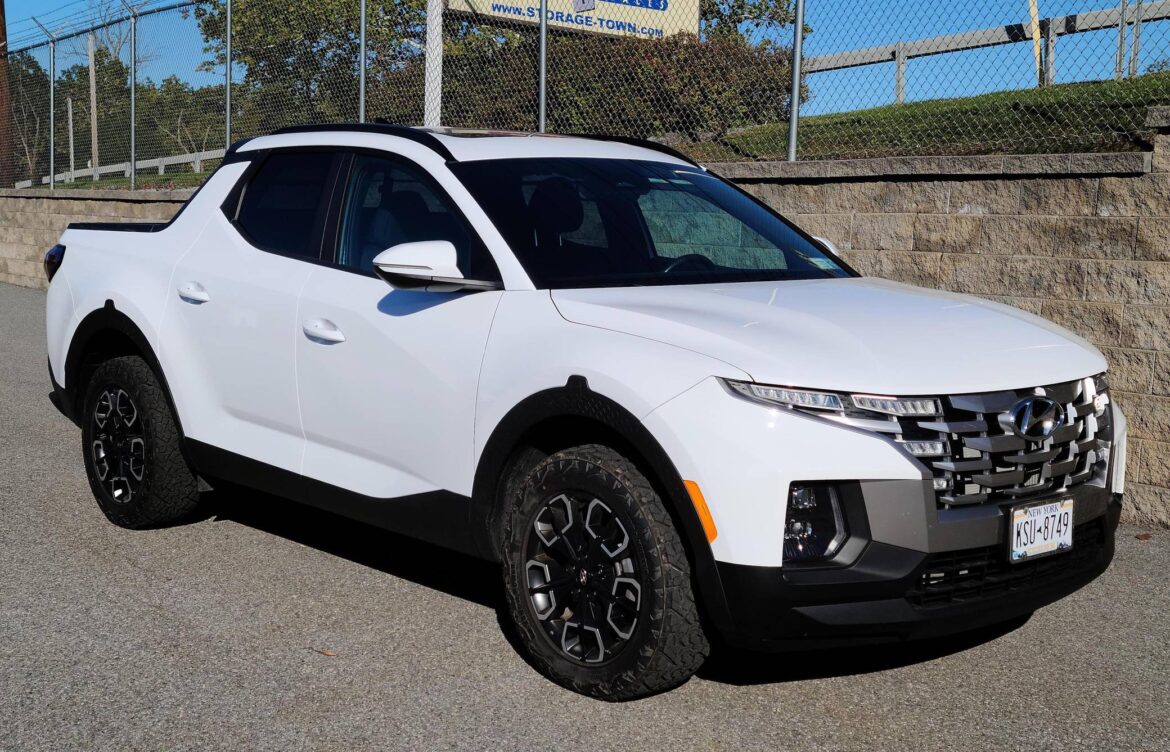
The Santa Cruz is designed with an athletic aesthetic that sets it apart from conventional pickups. Its bold front-end styling and sleek silhouette appeal to a wide range of drivers. The vehicle is built on a unibody platform, which enhances ride quality and handling, providing a more car-like experience.
Inside, the Santa Cruz boasts a spacious cabin equipped with modern technology. Features like an available 10.25-inch touchscreen, Apple CarPlay, Android Auto, and Hyundai’s SmartSense safety suite highlight its commitment to convenience and safety. The innovative 4.3-foot bed offers practical storage solutions, including the option for a lockable in-bed storage area, catering to outdoor enthusiasts and weekend warriors alike.
Performance and Capability
Under the hood, the Santa Cruz comes with two engine choices: a standard 2.5-liter four-cylinder engine producing 191 horsepower and an available turbocharged 2.5-liter engine that delivers an impressive 281 horsepower. Additionally, it offers available all-wheel drive, enhancing its capability for various driving conditions, from city streets to off-road adventures.
With a maximum towing capacity of 5,000 pounds when properly equipped, the Santa Cruz can handle the demands of recreational users and those needing to tow light trailers, making it a versatile choice in the market.
Market Impact and Future Outlook
Since its launch, Hyundai has successfully positioned the Santa Cruz as a compelling alternative to traditional pickups like the Toyota Tacoma and Ford Ranger, appealing to younger buyers and urban drivers. The demand for smaller, more efficient vehicles in the pickup segment suggests that the Santa Cruz is well-poised for continued growth.
As automakers increasingly focus on sustainability, Hyundai is also eyeing an electric version of the Santa Cruz, aligning with their broader strategy to expand their electric vehicle offerings. This move could further the model’s relevance in the evolving automotive landscape.
Conclusion
In summary, the Hyundai Santa Cruz represents a forward-thinking approach to the modern pickup truck, combining style, practicality, and performance. With its increasing popularity and potential for future developments, including electrification, the Santa Cruz is set to remain a significant player in the automotive market for years to come. Drivers looking for versatility without compromise should put the Hyundai Santa Cruz at the top of their test drive list.