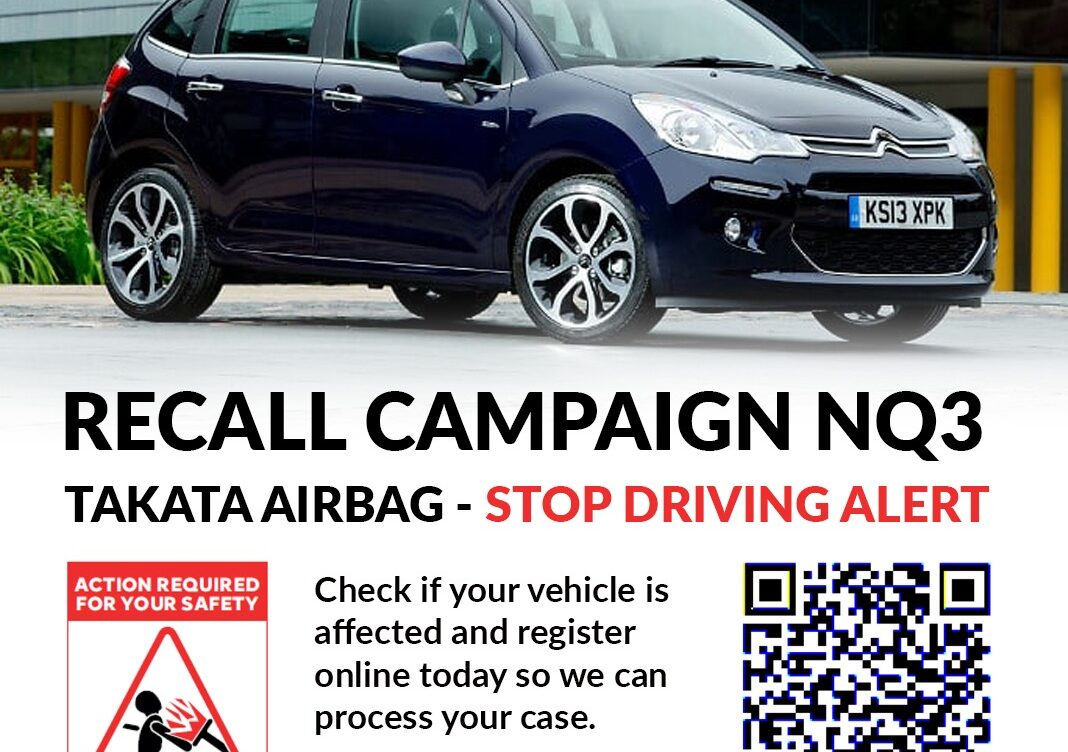
Stellantis Initiates Takata Airbag Recall: What You Need to Know
Introduction
In recent developments, Stellantis, one of the largest automotive manufacturers in the world, has announced a significant recall concerning Takata airbag systems. This recall emphasizes the ongoing concerns related to safety in the automotive industry, particularly focusing on defective airbag inflators, which have been linked to several injuries and fatalities worldwide. With millions of vehicles at stake, this issue has garnered considerable media attention and poses significant implications for drivers and vehicle owners.
The Scope of the Recall
The recall affects approximately 2.5 million vehicles across various brands under the Stellantis umbrella, including Chrysler, Dodge, Jeep, and others. This decision follows the discovery that certain airbag inflators manufactured by Takata may deploy incorrectly, potentially leading to shrapnel injuries during a crash. Stellantis’s recall notice comes as part of a broader initiative to address faulty Takata airbags, which have prompted multiple recalls in the past years, impacting millions of vehicles globally.
Timeline of Events
The Takata airbag crisis has spanned over several years, with the company filing for bankruptcy in 2017 due to the extensive nature of the recalls. The U.S. National Highway Traffic Safety Administration (NHTSA) has been actively involved in overseeing these recalls, ensuring manufacturers comply with safety protocols. In recent months, new concerns regarding the durability of Takata inflators have led to the re-evaluation of previously recalled units. Stellantis is proactively addressing these concerns by working alongside the NHTSA, aiming to rectify the issue and enhance driver safety.
What Affects Owners
Current owners of affected vehicles are encouraged to check their vehicle identification number (VIN) through the Stellantis website or the NHTSA’s recall page. If a vehicle is found to be part of the recall, owners should contact their local dealerships to arrange for repairs or replacements of the faulty airbags, which will be provided at no cost. Stellantis has committed to restoring consumer confidence by ensuring thorough inspections and replacements are carried out promptly.
Conclusion
The Stellantis Takata airbag recall underlines the ongoing challenges faced within the automotive industry, particularly concerning safety defects. As governments and manufacturers work together to mitigate these issues, vehicle owners should remain vigilant and stay informed about potential recalls. With millions of vehicles affected, the next steps in addressing these safety concerns will be crucial for both manufacturers and consumers alike, highlighting the importance of vehicle safety in today’s world.