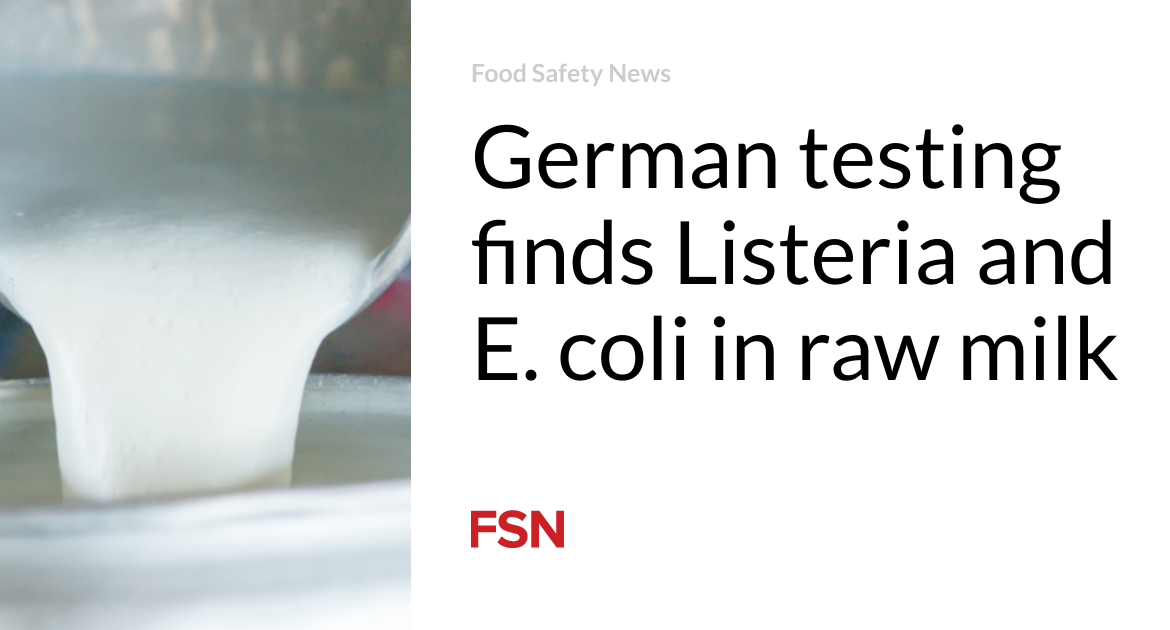
Risks of Listeria Contamination in Raw Milk
Introduction
Raw milk has gained popularity among consumers seeking natural and unprocessed food options. However, it poses significant health risks, particularly concerning listeria contamination. Listeria monocytogenes is a bacterium that can cause serious illness, especially in pregnant women, newborns, the elderly, and individuals with weakened immune systems. Understanding the dangers associated with raw milk is crucial for consumers to make informed choices and ensure food safety.
The Listeria Threat
According to the Centers for Disease Control and Prevention (CDC), listeriosis, the infection caused by listeria, results in approximately 1,600 illnesses and 260 deaths in the United States each year. Raw milk, due to its unpasteurized nature, is a common source of listeria outbreaks. A recent study highlighted an increase in reported cases linked to the consumption of raw milk, raising alarms among health officials.
In a significant incident, the New York State Department of Health reported multiple cases of listeriosis associated with a local farm selling raw milk. The investigation revealed that contaminated raw milk had been linked to illness in several individuals, necessitating stronger calls for regulation and pasteurization. Officials urge consumers to consider the potential risks before opting for raw milk products.
Health Risks and Demographics
Pregnant women are particularly vulnerable to listeriosis, as the bacteria can cross the placenta and lead to severe complications, including miscarriage and stillbirth. The elderly and those with compromised immune systems also face a heightened risk of severe illness. Symptoms of listeriosis can present as fever, muscle aches, nausea, and diarrhea, often leading to more severe complications.
Safety Measures and Recommendations
To mitigate the risks associated with raw milk, health officials recommend several safety measures. Consumers should always check for proper labeling and sourcing, ensuring that milk comes from reputable farms that follow hygiene and safety protocols. Additionally, if choosing to consume raw milk, it is crucial to keep it refrigerated and consume it promptly to reduce the risk of bacterial growth.
For those seeking dairy options, pasteurized milk offers a safer alternative while retaining many nutritional benefits. Public health campaigns continue to educate consumers about the importance of pasteurization and the risks associated with raw milk consumption.
Conclusion
In summary, while raw milk can be appealing for some consumers, it carries significant health risks due to the potential for listeria contamination. Awareness and education on the dangers of consuming raw milk are essential for public health. As regulations around raw milk sales and consumption continue to evolve, consumers must remain vigilant and prioritize food safety in their dietary choices.