Recognizing Measles Symptoms for Early Intervention
Introduction to Measles Symptoms
Measles is a highly contagious viral infection that can lead to serious health complications. Understanding the symptoms of measles is crucial for early detection and intervention. With recent outbreaks reported in various regions, knowing what to look out for has become increasingly important for public health and community safety.
Common Measles Symptoms
The initial symptoms of measles typically appear 10 to 14 days after exposure to the virus. Early signs often resemble those of a common cold, which can lead to delays in diagnosis. Some of the most common measles symptoms include:
- High fever: This usually starts around 101°F (38.3°C) and can climb higher.
- Cough: A dry cough often develops shortly after the onset of fever.
- Runny nose: This accompanies other cold-like symptoms such as nasal congestion.
- Red, watery eyes: Sensitivity to light and inflammation of the eyes are also common.
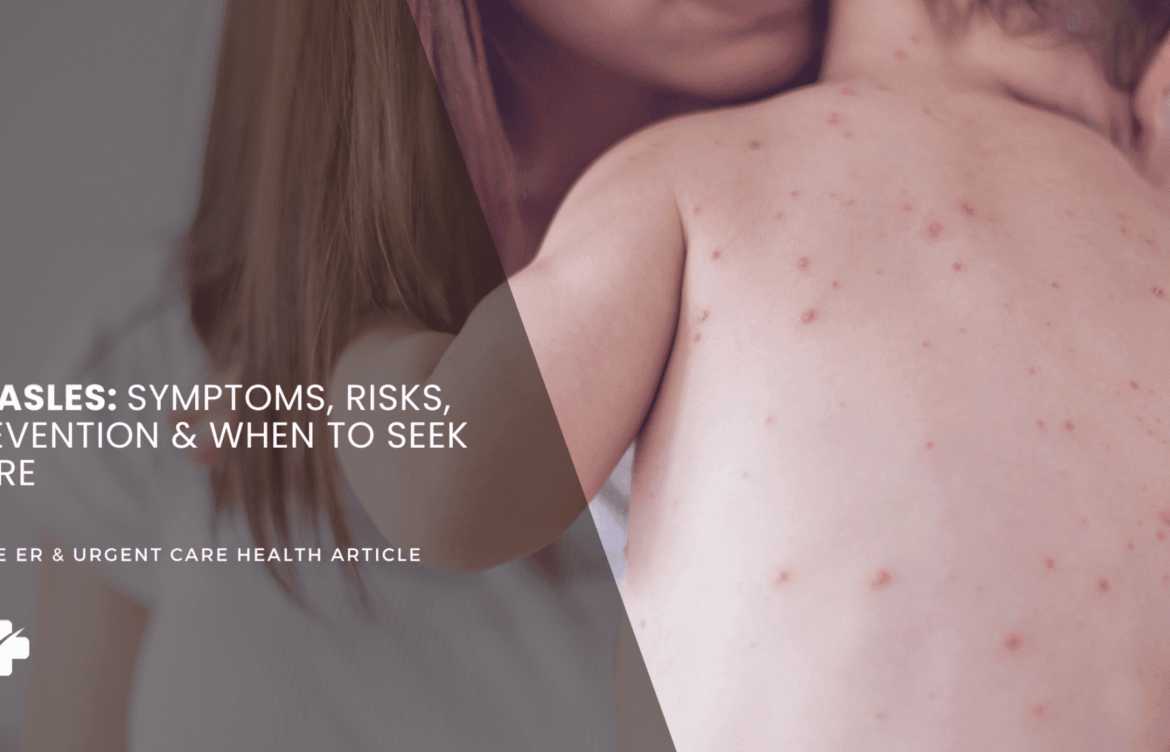
- Skin rash: A characteristic rash typically emerges 3 to 5 days after the first symptoms, spreading from the face to the rest of the body.
Complications and Risks
Measles can lead to severe complications, particularly in young children and those with weakened immune systems. Potential complications include:
- Pneumonia
- Encephalitis (a serious brain infection)
- Severe diarrhea
- Dehydration
In some cases, measles can result in long-term health issues, including brain damage and ear infections.
Preventive Measures
The best way to prevent measles is through vaccination. The measles, mumps, and rubella (MMR) vaccine is highly effective in preventing the disease. The Center for Disease Control and Prevention (CDC) recommends that children receive this vaccine at 12-15 months of age, with a second dose administered between 4-6 years of age.
Conclusion
Recognizing measles symptoms is vital for prompt treatment and preventing the spread of the disease. As public health officials continue to address outbreaks, community awareness and vaccination efforts play an essential role in protecting individuals and the broader community. Staying informed about measles symptoms and ensuring timely vaccinations can significantly reduce the risk of contracting and spreading this potentially dangerous virus.