Nipah Virus in India: Updates and Implications for 2026
Introduction
The Nipah virus, a zoonotic disease with high mortality rates, is a significant public health concern, especially in India. As we move into 2026, monitoring and understanding the dynamics of the virus, its outbreaks, and public health responses are crucial. The importance of this topic lies in its implications for global health security, as Nipah has the potential to cause severe outbreaks, affecting communities and healthcare systems.
Current Situation and Recent Outbreaks
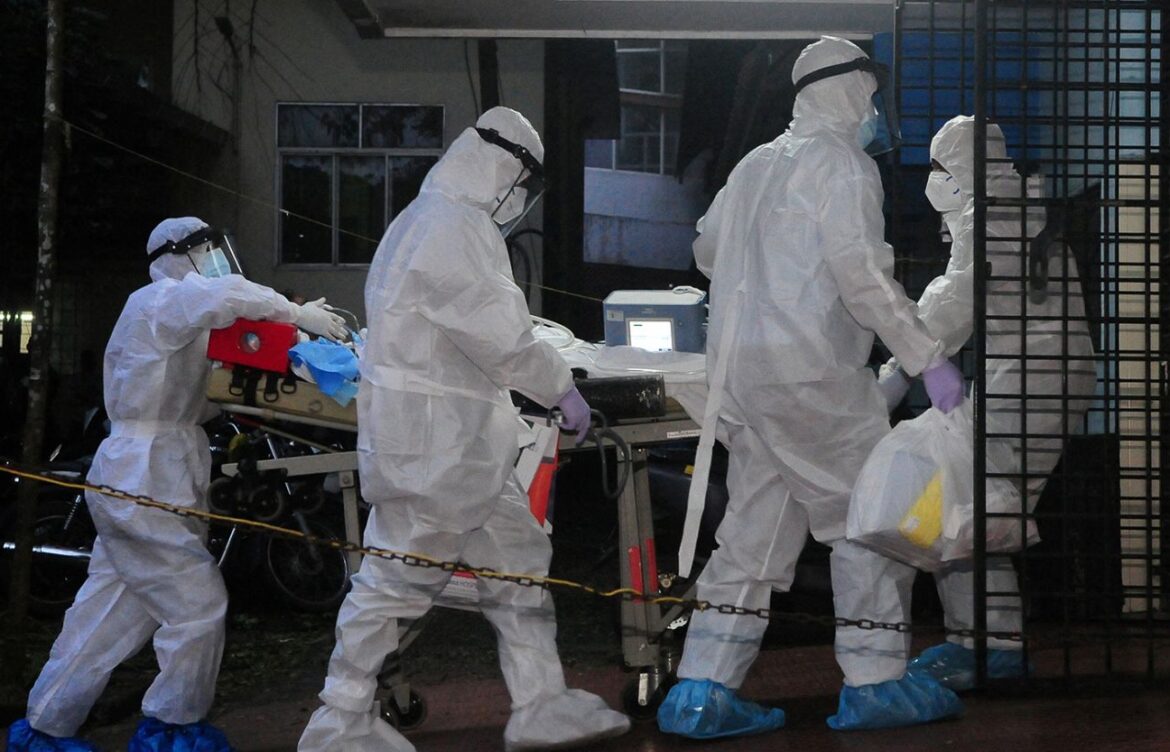
In recent years, India has experienced sporadic outbreaks of the Nipah virus, primarily in Kerala. The first recorded outbreak in India was in 2018, which claimed several lives. Since then, health authorities have been on high alert, implementing stringent surveillance systems and preventative measures. As of early 2026, Kerala has reported isolated cases, prompting the state health department to reinforce monitoring and quick response initiatives.
Health officials have highlighted the importance of identifying and monitoring bats, the primary reservoir of the virus. Enhanced awareness campaigns aimed at educating the public on the risks and management of potential outbreaks are also underway. The Central Government, together with the World Health Organization (WHO), has been actively involved in formulating strategies to combat future Nipah virus infections.
Health Responses and Preventive Measures
The Government of India has implemented a multi-faceted approach to manage Nipah virus risks. This includes promoting good hygiene practices, especially in rural areas where bat-contact risk is high. Additionally, healthcare facilities are being equipped with guidelines on managing suspected Nipah cases, emphasizing early diagnosis and isolation.
Research into potential vaccines and antiviral treatments is also intensifying. The Indian Council of Medical Research (ICMR) is working in collaboration with various research institutions to develop effective vaccines against the Nipah virus, potentially reducing the threat of future outbreaks.
Conclusion and Future Implications
As India navigates through 2026, the management of the Nipah virus continues to be a pressing concern for public health officials. The collaborative efforts between government agencies, health researchers, and local communities are vital to mitigate the risk of outbreaks. It is essential for residents to remain vigilant and informed. Increased awareness can play a crucial role in reducing transmission risks associated with the Nipah virus.
Looking ahead, the knowledge gained from Nipah virus outbreaks can inform broader strategies for managing other emerging infectious diseases. The ongoing dialogue surrounding zoonotic diseases underscores the importance of a robust public health infrastructure in safeguarding against future health crises.