Measles Outbreaks: Understanding the Recent Surge
Introduction
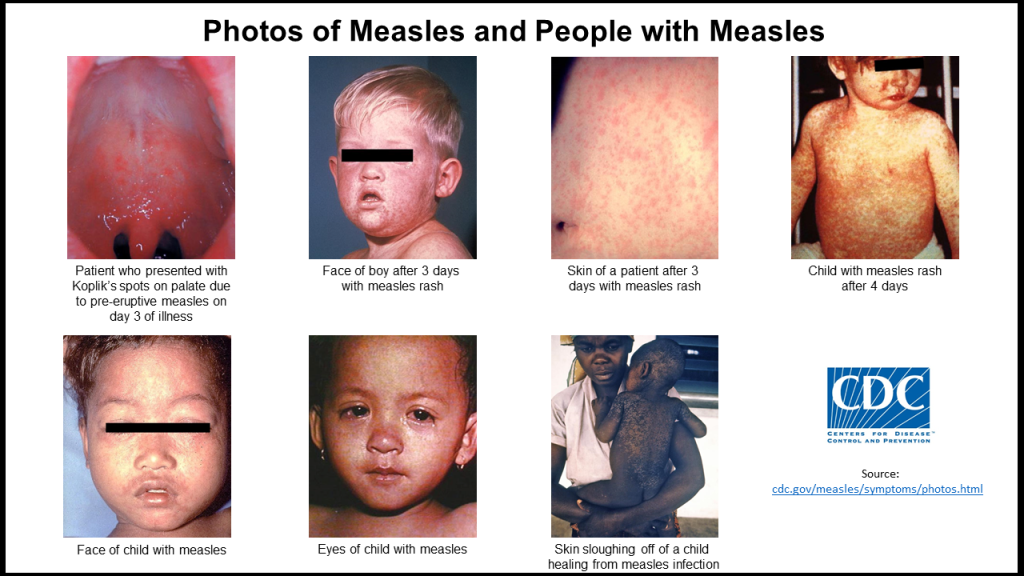
Measles, once deemed eradicated in many parts of the world, is experiencing a concerning resurgence. This is posing significant public health challenges in the United States and across the globe. With the World Health Organization reporting a tripling of measles cases globally since 2019, understanding its implications for community health and vaccination efforts has never been more crucial.
Current Status and Statistics
As of late 2023, the Centers for Disease Control and Prevention (CDC) have noted a spike in measles cases, particularly in areas with lower vaccination rates. In 2022, the U.S. reported over 400 cases, the highest since 2019. The increasing prevalence of anti-vaccination sentiments, combined with misinformation, has been a key factor influencing these statistics. For instance, recent outbreaks in Michigan and California have been linked to unvaccinated populations, highlighting the vulnerability of communities with low immunization coverage.
Historical Context and Vaccination
Vaccination against measles has dramatically reduced its prevalence since the introduction of the MMR (measles, mumps, rubella) vaccine in the 1970s. However, the current decline in vaccination rates has led to the resurgence of this highly contagious disease. According to the CDC, about 95% of a population needs to be vaccinated to establish herd immunity, and recent statistics suggest that many communities are falling below this benchmark, posing a risk of outbreaks.
Public Health Response
Public health officials are urging communities to increase vaccination efforts. Campaigns to educate the public about the benefits of vaccination and the risks associated with measles are being launched. Additionally, some states are considering tighter regulations regarding vaccination exemptions to mitigate the outbreak risk. The National Institute of Allergy and Infectious Diseases (NIAID) has also initiated funding for research into improving vaccine effectiveness and accessibility.
Conclusion
As measles continues to threaten populations, the importance of maintaining high immunization rates cannot be overstated. The current trends indicate that without collective action from health officials, communities, and policymakers, we may face more frequent and severe outbreaks. Ensuring that misinformation is counteracted with factual information and that vaccine access is prioritized will be critical steps in combatting this resurgence. Moving forward, high vaccination coverage will be key to protecting public health and preventing outbreaks of measles and other vaccine-preventable diseases.