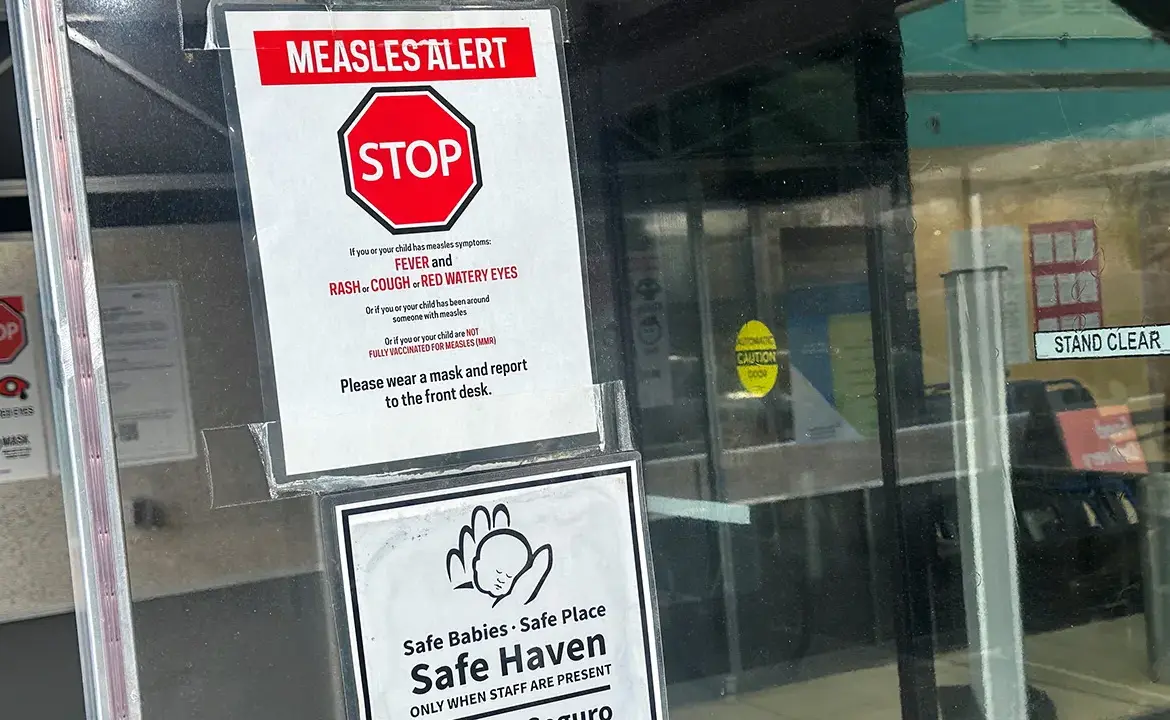
Measles Outbreak in Washington, DC: A Growing Concern
Introduction
In recent weeks, Washington, DC has experienced a noticeable surge in measles cases, prompting public health officials to sound the alarm about vaccination rates. The outbreak has ignited conversations around the importance of immunization, the vulnerability of communities, and the implications for public health policy.
The Outbreak
As of October 2023, at least 15 confirmed cases of measles have been reported in the District of Columbia, primarily among unvaccinated children. The DC Department of Health (DOH) announced the outbreak earlier this month, encouraging families to review their vaccination records and ensure that their children receive the measles, mumps, and rubella (MMR) vaccine.
Public health officials attribute the outbreak to a decline in vaccination rates, exacerbated by misinformation regarding vaccine safety and the hesitancy it has fostered in certain communities. Nationally, measles cases had been on the rise, with the Centers for Disease Control and Prevention (CDC) noting that outbreaks are particularly concerning in areas with low vaccination coverage.
Public Response and Measures
The response from local health authorities has been swift. The DOH is deploying community outreach programs to educate residents on the importance of vaccines and to counteract misinformation. Pop-up vaccination clinics have been set up in neighborhoods most affected by the outbreak, offering free MMR vaccines to children under the age of 18.
Moreover, public health officials have urged all eligible individuals to verify their immunization status. To protect those who are unable to be vaccinated, such as infants and individuals with certain medical conditions, authorities emphasize community immunity, also known as herd immunity, as a crucial element in controlling infectious diseases.
Conclusion
The measles outbreak in Washington, DC, is a reminder of the ongoing challenges regarding public health and vaccination. As authorities work to control the spread of this preventable disease, it underscores the importance of maintaining high vaccination rates within communities to safeguard the health of all residents. Moving forward, continuous education and community engagement will be essential in mitigating similar outbreaks and ensuring that public health is prioritized. The significance of this outbreak extends beyond DC, as it reflects a larger national trend that necessitates vigilance and proactive solutions in the face of vaccine misinformation.