Identifying Flu Symptoms: What You Need to Know
Introduction
Flu symptoms are critical indicators of infection caused by the influenza virus, particularly during the colder months when flu epidemics are common. Understanding these symptoms is vital for early detection, proper management, and minimizing the spread of the virus. As flu season approaches, recognizing and responding to flu symptoms can be essential for safeguarding individual health and public safety.
Flu Symptoms Overview
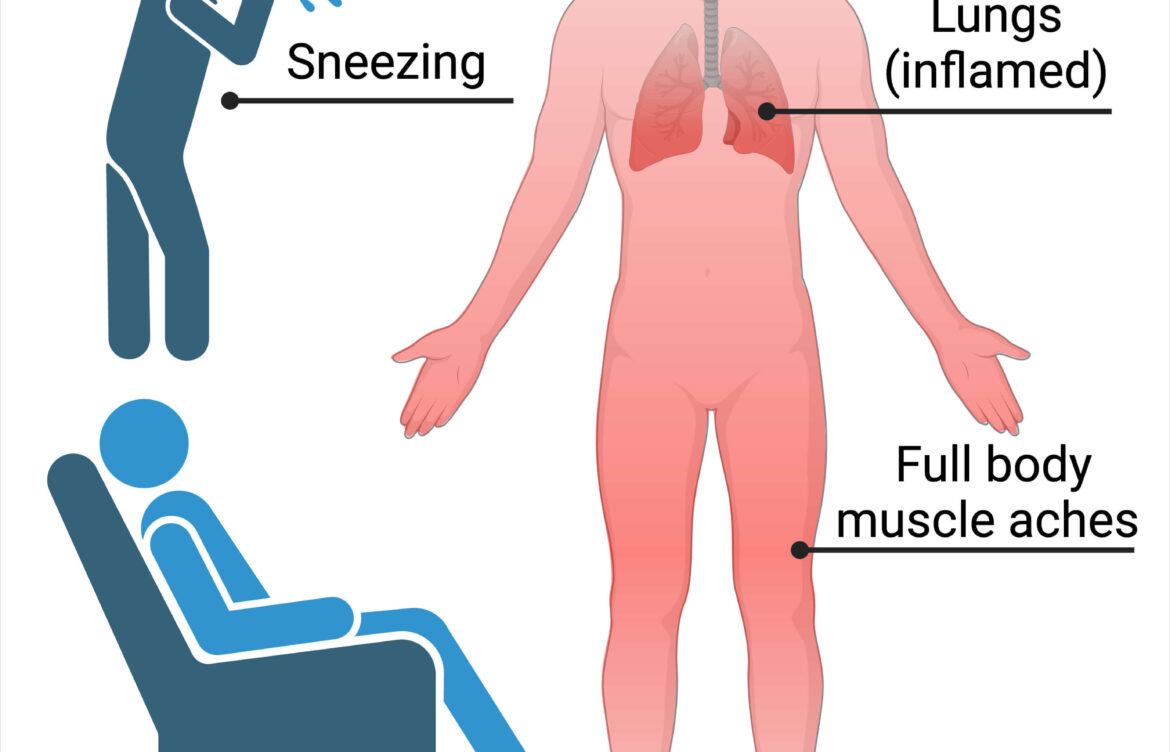
The flu is characterized by a sudden onset of various symptoms that typically manifest between one to four days after exposure to the virus. Key symptoms include:
- Fever: Often high, lasting several days.
- Cough: A dry cough is prevalent.
- Muscle Aches: Generalized body aches are common.
- Fatigue: Extreme tiredness can last weeks.
- Sore Throat: Pain or scratchiness in the throat.
- Runny or Stuffy Nose: Nasal congestion may also occur.
- Headaches: Intense headaches can accompany other symptoms.
- Chills: Along with fever, chills often develop.
Additionally, some individuals, particularly young children, may experience gastrointestinal symptoms such as vomiting and diarrhea. It’s important to note that not everyone with the flu will have a fever.
Recent Trends and Insights
According to the Centers for Disease Control and Prevention (CDC), flu activity typically peaks between December and February in the United States. This year, early surveillance data indicates a significant rise in influenza cases, emphasizing the need for individuals to be knowledgeable about flu symptoms. The CDC recommends annual vaccination as the most effective way to prevent the flu and reduce symptom severity if contracted.
Conclusion
Recognizing flu symptoms is crucial for timely treatment and reducing transmission. Individuals experiencing these symptoms should seek medical advice, particularly those at higher risk, including the elderly, young children, and individuals with underlying health conditions. As the flu season continues, staying informed and proactive about flu symptoms plays a key role in maintaining public health. Remember, vaccination and hygiene practices, such as frequent hand washing, can greatly reduce the risk of infection and help protect others around you.