Identifying Flu Symptoms: What You Need to Know
Introduction: The Importance of Recognizing Flu Symptoms
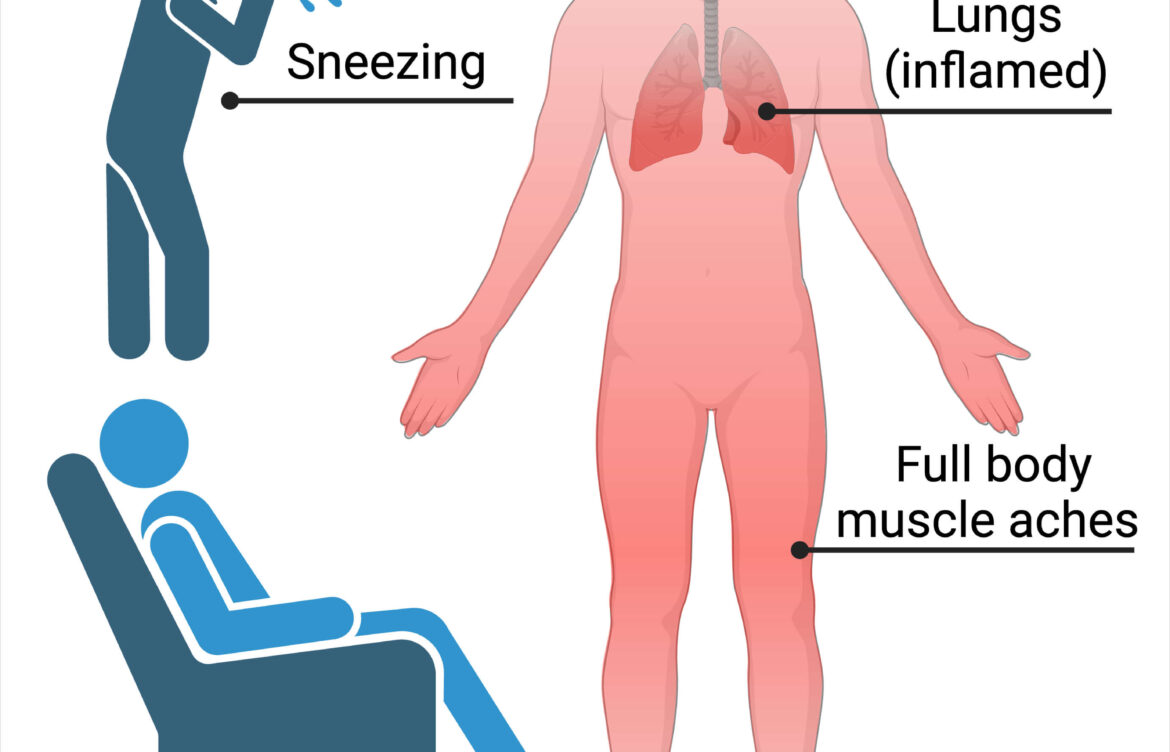
Flu symptoms are critical for timely diagnosis and treatment, especially during peak flu season. With seasonal outbreaks causing widespread health issues each year, understanding the signs of influenza can help individuals take swift action and reduce transmission. Distinguishing between flu symptoms and other illnesses is essential for effective management and recovery.
Main Body: Key Flu Symptoms to Identify
The Centers for Disease Control and Prevention (CDC) states that flu symptoms typically appear one to four days after infection. Common flu symptoms include:
- Fever or chills: Some people may experience a high fever, while others may only feel chills.
- Cough: A dry cough is common and can worsen over time.
- Sore throat: Inflammation and pain in the throat often accompany flu.
- Muscle or body aches: Many individuals report widespread aches that can range from mild to severe.
- Headaches: Severe headaches are frequently experienced during a flu infection.
- Fatigue: A profound feeling of tiredness or weakness is typical, hindering daily activities.
- Runny or stuffy nose: While this is more common in colds, many flu patients also report nasal symptoms.
- Vomiting and diarrhea: These symptoms are more prevalent in children than adults but can occur in severe cases.
As we are now in the midst of flu season, health experts recommend getting vaccinated, as the flu vaccine can help reduce the risk of severe illness. Early diagnosis through symptom awareness is crucial; if flu symptoms present, individuals are advised to consult healthcare professionals.
Conclusion: The Significance of Understanding Flu Symptoms
Being able to identify flu symptoms goes beyond personal health; it plays a vital role in public health. By staying informed and seeking medical attention when necessary, individuals can not only recover faster but also contribute to minimizing outbreaks. With the ongoing threat of respiratory viruses, recognizing the difference between flu and cold symptoms is more important than ever. Seasonal trends indicate that flu cases may peak in the upcoming months, underscoring the need for vigilance and proactive health measures.