Exploring Havana Syndrome: Current Developments and Implications
Introduction
The phenomenon called Havana Syndrome has garnered significant attention since it first emerged in 2016 among U.S. diplomats in Cuba. The term refers to a series of unexplained health incidents characterized by symptoms such as hearing strange sounds, headaches, dizziness, and cognitive issues. Understanding Havana Syndrome is crucial not only for the health and safety of diplomats but also for implications regarding international relations and national security.
The Incidents
Reports of Havana Syndrome began in late 2016 when U.S. and Canadian diplomatic staff in Havana started to experience puzzling symptoms. Over the years, the condition has been reported by over 200 U.S. personnel and their families worldwide, including in China and Russia, raising concerns about the potential use of directed energy attacks.
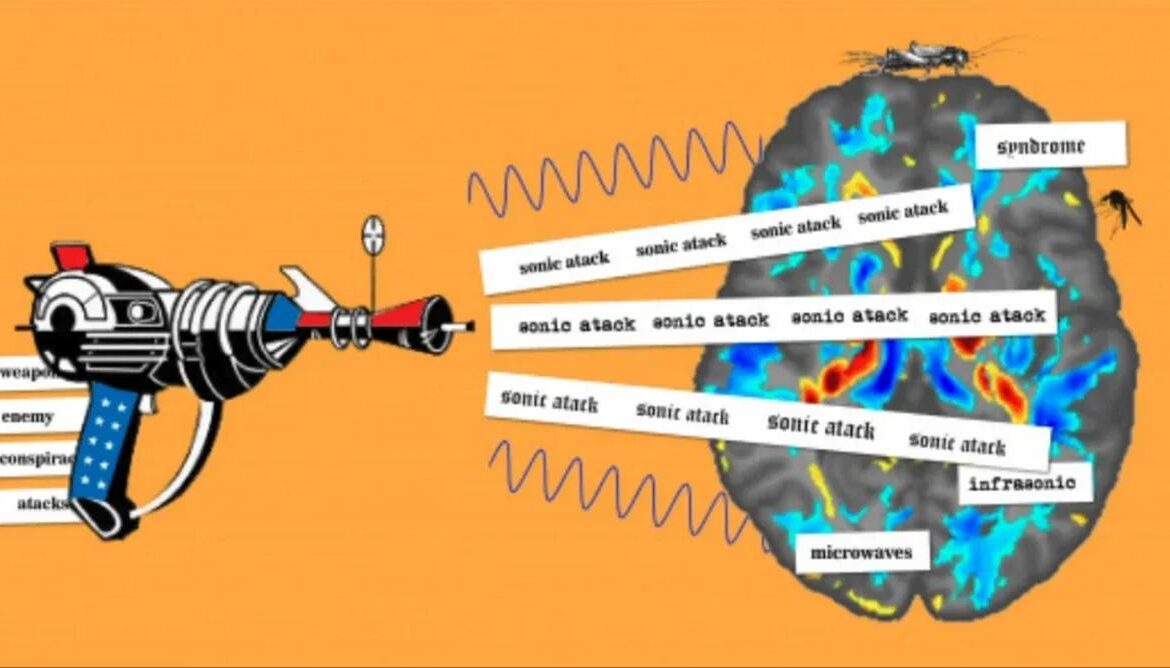
The symptoms typically manifest after these individuals claim they felt a sudden pressure or heard unusual sounds. Many have sought medical attention, and a number of them have been diagnosed with traumatic brain injuries. The U.S. government has launched investigations to determine the cause of these incidents. In late 2021, a report from the U.S. National Academies of Sciences concluded that “directed energy” is a likely cause of some of the symptoms, although definitive conclusions remain elusive.
Recent Developments
In the past few months, attention to Havana Syndrome has intensified. A surge in reported cases among U.S. officials in different parts of the world has sparked renewed investigations. The Biden administration has established new protocols to address the safety and health of diplomatic personnel overseas, highlighting the government’s ongoing commitment to uncover the truth behind these incidents.
Additionally, there are efforts to provide better medical support to those affected. In July 2022, a congressional report outlined the need for enhanced medical care and surveillance for employees returning from assigned posts in regions where incidents have occurred.
Conclusion
The Havana Syndrome remains a complex and troubling issue with significant implications for U.S. diplomats and their families. With ongoing investigations and increasing awareness, the hope is for clarity and justice for those affected. Future research is essential in decoding the causes of these incidents and improving the safety measures for personnel in the field. Understanding Havana Syndrome goes beyond the mystery of symptoms—it’s a matter of national security and the well-being of those who serve abroad.