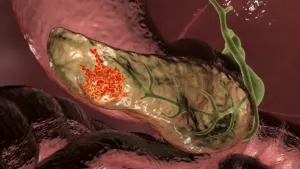
Breakthroughs in Pancreatic Cancer Research
Introduction to Pancreatic Cancer
Pancreatic cancer has long been one of the most challenging cancers to treat, primarily due to its late diagnosis and aggressive nature. With a five-year survival rate hovering only around 10%, researchers and healthcare providers are focusing efforts on improving detection, treatment protocols, and patient outcomes. Recent advancements in pancreatic cancer research are ushering in new hope for patients and their families.
Recent Advancements in Research
This year, researchers from Johns Hopkins University reported promising results from a new blood test designed to detect pancreatic cancer earlier than traditional methods. The test identifies specific biomarkers that indicate the presence of cancerous cells, potentially allowing for treatment to start before the disease progresses. Additionally, ongoing studies funded by the American Cancer Society aim to explore the genetic basis of pancreatic cancer, which could lead to more targeted therapies.
Moreover, immunotherapy, which trains the immune system to recognize and attack cancer cells, is being explored in clinical trials for pancreatic cancer patients. Researchers are optimistic that this approach could enhance the effectiveness of existing treatments such as chemotherapy and radiation.
Collaboration and Funding
The landscape of pancreatic cancer research is characterized by increased collaboration among institutions and private enterprises. The Pancreatic Cancer Action Network (PanCAN) has been instrumental in fostering partnerships that promote innovative research. In 2023 alone, they announced a multi-million dollar funding initiative that aims to support groundbreaking projects all over the country.
Community Impact and Future Directions
As more research comes to light, the commitment of both the scientific community and general public in raising awareness about pancreatic cancer is becoming increasingly crucial. Educational campaigns and advocacy efforts are necessary to ensure that funding continues to flow into research for this deadly disease. Furthermore, with the advent of new technologies such as AI and machine learning, there is potential for accelerated discoveries that could revolutionize how pancreatic cancer is treated.
Conclusion: A Hopeful Outlook
While challenges remain in the fight against pancreatic cancer, the strides made in research bring renewed hope to both patients and healthcare professionals. Continued investment in early detection methods, innovative therapies, and collaborative projects will be critical for improving survival rates. As the landscape evolves, it is imperative for the public to remain engaged and informed, as every effort counts in the quest to conquer this formidable disease.