What You Need to Know About MANPADS
Introduction
Man-Portable Air-Defense Systems (MANPADS) have become increasingly significant in modern warfare and international security dynamics. These portable missiles pose substantial threats to military aircraft and commercial aviation, particularly in conflict zones. Understanding their implications is essential for policymakers, defense analysts, and the public, especially with reports of proliferation in unstable regions.
What are MANPADS?
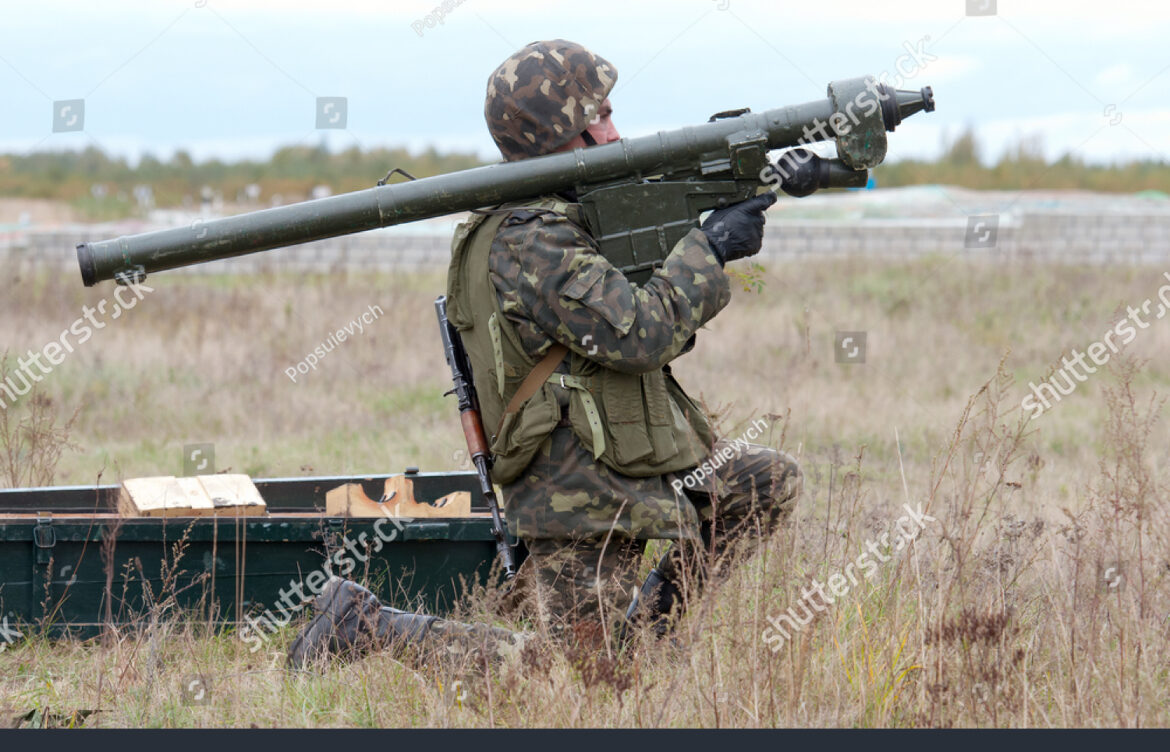
MANPADS are shoulder-fired surface-to-air missiles designed to target aircraft. They vary in design and capability, but most systems feature infrared homing guidance, allowing them to lock onto the heat emitted by aircraft engines. This makes them effective against low-flying targets, which poses a particularly high risk during take-off and landing phases, as evidenced by several high-profile incidents.
Current Events and Global Context
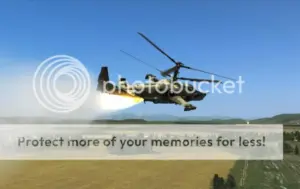
Recent conflicts, especially in Ukraine and in the Middle East, have highlighted the role of MANPADS in modern combat. Reports indicate that both state and non-state actors are increasingly using these systems, raising alarms about their potential use against civilian aviation. For instance, Ukrainian defense forces have effectively deployed MANPADS against Russian aircraft, demonstrating their strategic value in asymmetric warfare.
Moreover, concerns about the proliferation of MANPADS persist. A United Nations report from earlier this year underscored that these systems often fall into the hands of terrorist organizations, raising fears of possible attacks on commercial flights. Efforts to regulate the distribution of MANPADS have been initiated, with some countries tightening access to these weapons. However, the challenge remains significant, considering the black market’s role in facilitating their availability.
Conclusions and Future Implications
The importance of MANPADS in contemporary conflicts cannot be understated. As their availability continues to rise, so do the potential perils for aviation safety and national security. As nations grapple with the challenges posed by these systems, it will be essential for international cooperation on arms control efforts to deter their misuse. The future landscape will need robust strategies to manage the threats they pose, ensuring that civil aviation remains secure. With ongoing conflicts around the globe, stakeholders must remain vigilant in monitoring and regulating the proliferation of MANPADS to protect both military and civilian lives.