The Role and Impact of MANPADS in Modern Warfare
Introduction
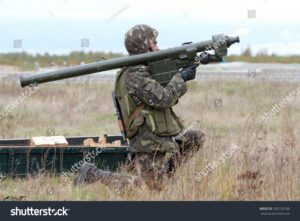
Man-Portable Air-Defense Systems, commonly referred to as MANPADS, are lightweight surface-to-air missiles designed to be operated by individual soldiers. Their importance in modern warfare cannot be overstated, as they provide ground forces with the capability to engage and destroy enemy aircraft, significantly altering the dynamics of both conventional and asymmetric conflicts. The relevance of MANPADS has surged in recent years, particularly amid heightened global tensions and ongoing conflicts.
Current Events and Context
Recent reports highlighted the increasing availability and use of MANPADS in various conflict zones, most notably in regions like Ukraine, Syria, and parts of Africa. As low-cost and relatively easy-to-use weapons, MANPADS have seen a proliferation among non-state actors and militant groups, which raises concerns among military strategists and defense experts.
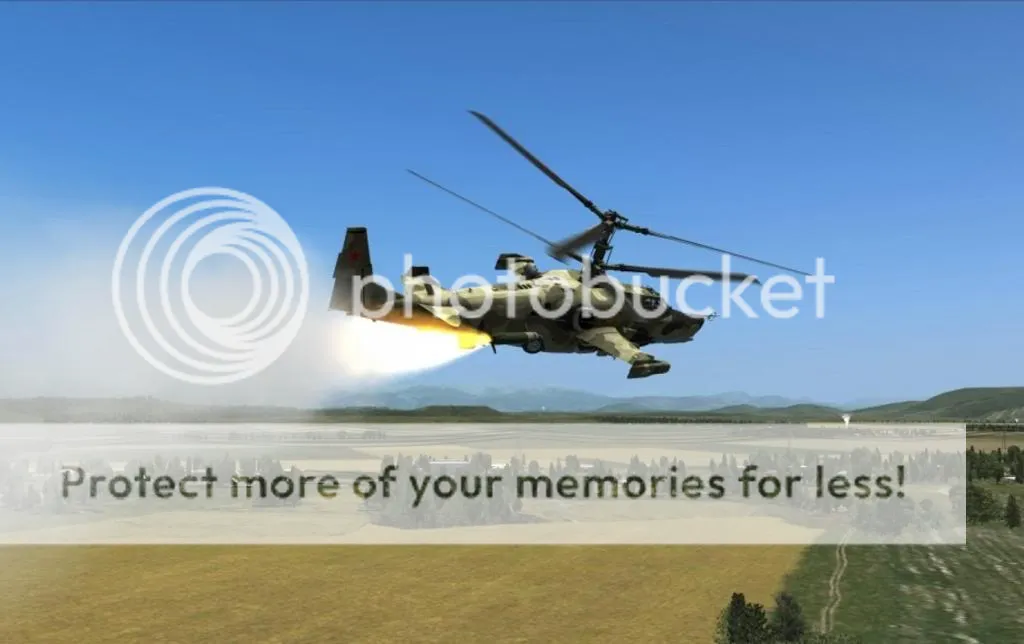
For instance, during the ongoing war in Ukraine, various factions have utilized MANPADS to target Russian aircraft, leading to increased capabilities for ground forces. This has not only resulted in significant aircraft losses but has also forced nations to rethink their aerial strategies and invest more in counter-measures against these systems.
Technological Advancements
Technological advancements have also improved the effectiveness of MANPADS. Modern systems, such as the FIM-92 Stinger and the 9K38 Igla, are capable of tracking and engaging fast-moving aircraft. The development of infrared homing systems allows these missiles to operate effectively at night and in adverse weather conditions, increasing their threat level significantly. Recent innovations aim to enhance their range, targeting accuracy, and resistance to countermeasures, emphasizing their role in evolving warfare.
Conclusion
The prevalence of MANPADS represents a significant challenge for conventional military forces and alters the strategies employed by nations engaged in conflict. As more groups gain access to these powerful weapons, the implications for global security become more pronounced. Forecasts suggest we will continue to see an emphasis on counter-MANPAD technologies and strategies in military doctrine, as nations adapt to this growing threat. For citizens and policymakers alike, understanding the dynamics and implications of MANPADS remains essential in navigating the complexities of modern military engagements.