What You Need to Know About COVID Symptoms
Introduction
As the world continues to navigate through the COVID-19 pandemic, understanding the symptoms associated with the virus remains crucial. As new variants emerge, the presentation of symptoms can vary, making it important for individuals to stay informed. Recognizing these symptoms promptly can lead to timely testing and treatment, ultimately slowing the spread of the virus and protecting vulnerable populations.
Common COVID Symptoms
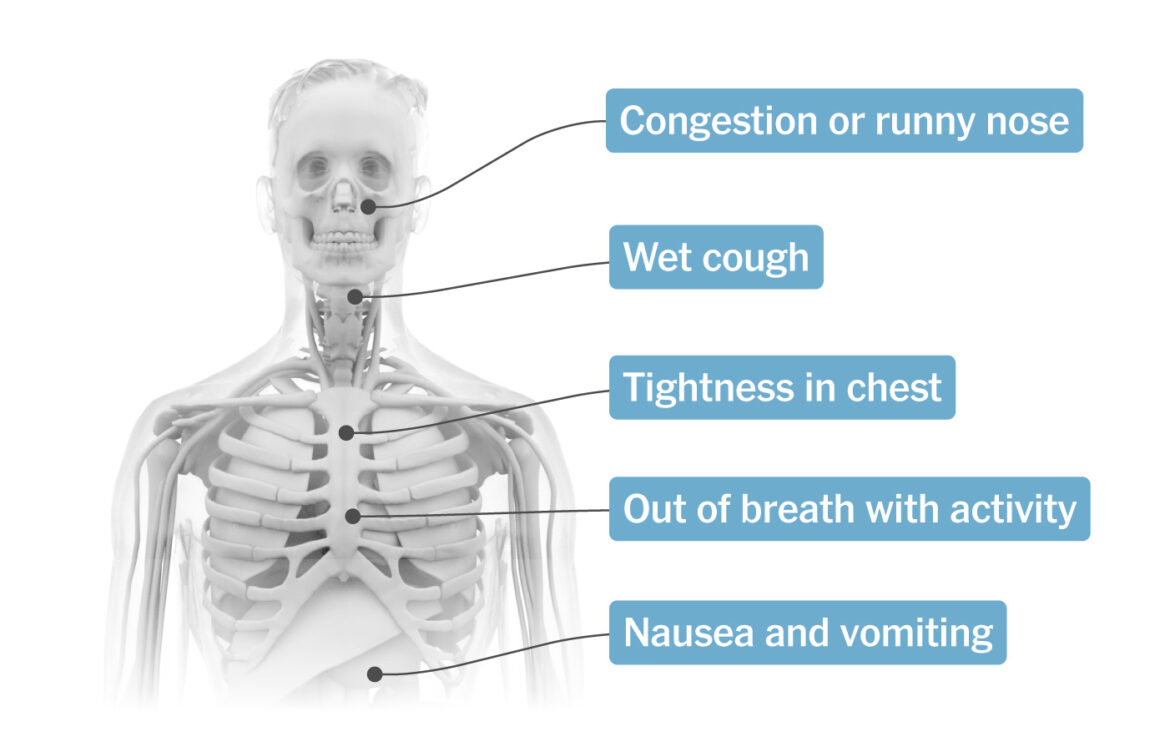
The symptoms of COVID-19 can range from mild to severe and may appear 2-14 days after exposure to the virus. According to the Centers for Disease Control and Prevention (CDC), the most common symptoms include:
- Fever or chills
- Cough
- Shortness of breath or difficulty breathing
- Fatigue
- Muscle or body aches
- Headache
- New loss of taste or smell
- Sore throat
- Congestion or runny nose
- Nausea or vomiting
- Diarrhea
Symptoms can vary widely; some individuals may experience only mild symptoms while others may develop serious respiratory complications. This variability emphasizes the need for careful monitoring, especially in high-risk groups such as the elderly and those with underlying health conditions.
Emerging Variants and Symptoms
As new variants of the virus continue to emerge, health experts have noted that symptoms may differ from those initially identified in 2020. For instance, the Omicron variant, which became prevalent in late 2021, often presents with symptoms like fatigue, sore throat, and cough, sometimes without loss of taste or smell. Keeping track of variant-specific symptoms can be helpful for individuals in identifying potential infections.
Conclusion
Being aware of COVID-19 symptoms is essential for public health and individual safety. If you experience any of these symptoms, it is important to seek testing and self-isolate until results are received. As we move forward, monitoring symptoms, adhering to vaccination recommendations, and following public health guidelines remain critical in managing the impact of COVID-19. By staying informed, individuals can better protect themselves and their communities against this persistent virus.