What You Need to Know About Boroughs in Urban Planning
Introduction to Boroughs
Boroughs are administrative divisions within a city or a larger municipality, often with their own governing bodies. They play a crucial role in urban planning and community governance, allowing for tailored local services and representation. Understanding boroughs is essential given the rapid urbanization many cities are experiencing worldwide, impacting local governance, resource allocation, and community engagement.
The Role and Significance of Boroughs
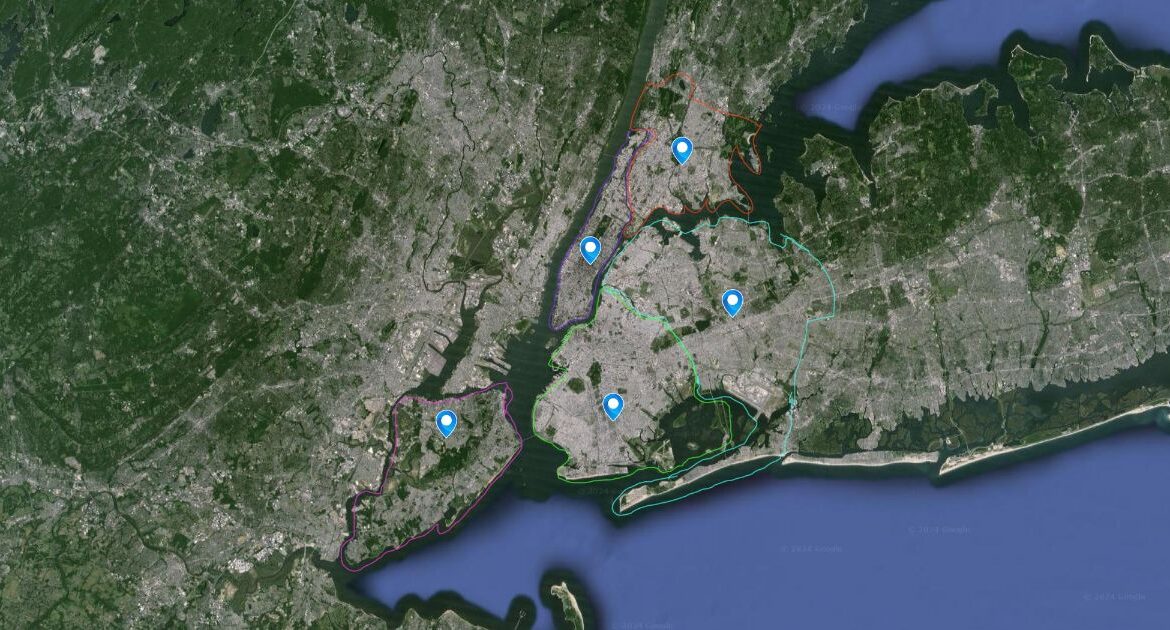
In the United States, boroughs are often seen in various states, especially in New Jersey and Pennsylvania, where they serve a unique purpose in municipal organization. For example, in New York City, the five boroughs—Manhattan, Brooklyn, Queens, The Bronx, and Staten Island—each possess distinct cultural identities and challenges, contributing to the city’s overall dynamics. The division allows for localized governance that can be more responsive to community needs compared to a singular citywide administration.
Recent Developments and Initiatives
Recently, the discussion around boroughs has centered on how to improve public services and address pressing issues like housing, transportation, and social services. For instance, many boroughs are implementing sustainable development initiatives to combat climate change and enhance community resilience. Local governments in boroughs are also seeking to improve their infrastructure and public transportation systems to meet the demands of growing populations.
Furthermore, active citizen participation has become essential in shaping the future of boroughs, with many local councils encouraging community involvement in decision-making processes. This has led to various initiatives promoting urban agriculture, green spaces, and affordable housing, directly reflecting the desires of residents.
Conclusion: Looking Ahead
As urban areas continue to grow, the importance of boroughs will likely increase. They provide a framework that balances local and city-wide governance, helping to address the complexities of modern urban life. The future of boroughs will depend significantly on their ability to adapt and respond to the needs of their communities while fostering inclusive and participatory governance. For residents, understanding the role and function of their borough can empower them to engage more effectively in local issues, leading to a better quality of life and stronger communities.