Understanding Alternate Side Parking in NYC
Importance of Alternate Side Parking in NYC
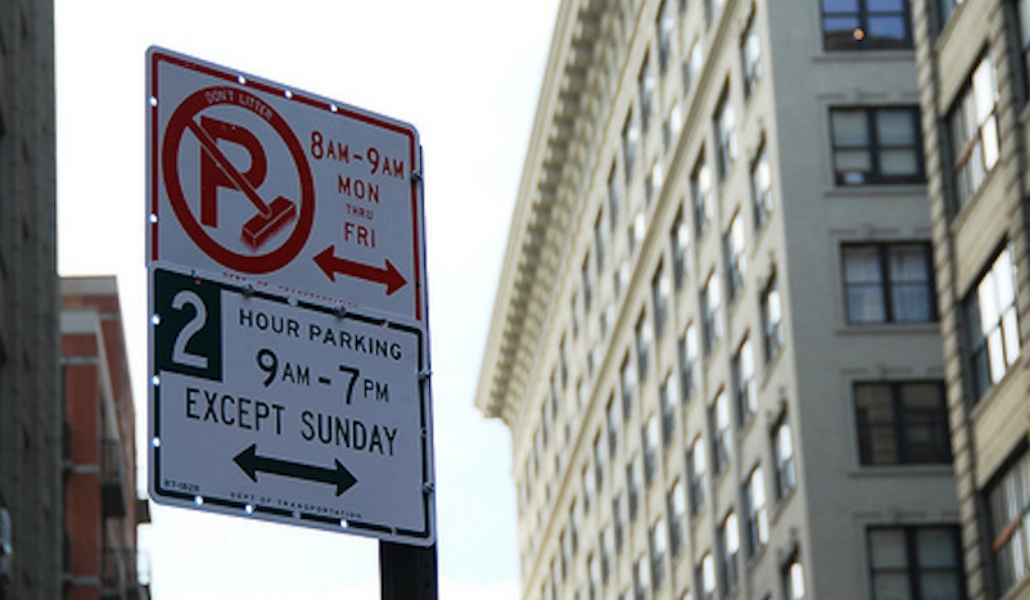
Alternate side parking regulations play a crucial role in maintaining cleanliness and order on New York City streets. Established to facilitate street cleaning, these rules allow sanitation crews to access the full width of the street, making it easier to keep the city’s roadways free from debris and litter. With New York’s densely populated streets, alternate side parking is vital for public health and aesthetics.
Current Regulations
As of October 2023, alternate side parking regulations in NYC fluctuate based on neighborhood and day of the week. Typically, vehicles must be moved from one side of the street to the other to accommodate weekly street cleaning. Parking meters and regulations vary, so residents must always check local signage to ensure compliance. Citywide, alternate side parking is suspended on observed holidays, which is a crucial aspect for residents to be aware of, to avoid unintended fines. Fines for violations can be as high as $65, exerting significant financial stress on daily commuters and residents.
Impact of COVID-19
The COVID-19 pandemic brought several changes to traffic regulations in NYC, including a temporary suspension of alternate side parking rules. As streets emptied, the city suspended these regulations to alleviate the burden on residents. However, as the city began recovery, alternate side parking regulations were reinstated. This showcases the delicate balance between public health concerns and maintaining the cleanliness and accessibility of city streets.
Community Response and Adaptation
Community boards and resident associations have expressed varied opinions on alternate side parking. While many recognize the necessity for street cleanliness, others argue it places undue stress on residents, especially in neighborhoods where parking is limited. To adapt, some communities have begun utilizing mobile applications and notification systems that alert residents to upcoming street cleaning schedules, helping them manage parking more effectively.
Conclusion
As NYC continues to evolve, alternate side parking will remain a relevant topic for residents and city planners alike. Understanding the ins and outs of these regulations is essential for navigating the urban environment efficiently. Looking ahead, continued dialogue within communities about parking regulations may lead to reform that balances cleanliness with the practicalities of urban living. For residents, remaining informed is key to avoiding fines while contributing to the overall cleanliness of the city.