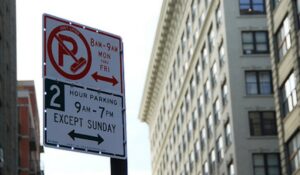
The Dynamics of Rush Hour Traffic and Its Implications
Introduction
Rush hour is a term that signifies the peak travel times during the day when the majority of commuters are either heading to or returning from work. Understanding the dynamics of rush hour is crucial as it affects traffic patterns, public transit systems, and overall urban mobility. With cities expanding and populations growing, rush hour congestion has significant implications for both daily commuters and urban planning.
Current Trends in Rush Hour Traffic
In recent years, especially following the COVID-19 pandemic, there have been notable shifts in how rush hour is defined. Many businesses have adopted flexible work hours or remote working options, causing patterns in traffic influx to change. According to a report from the Federal Highway Administration, as of 2023, peak traffic hours have shifted, with traditional 8 AM to 9 AM and 5 PM to 6 PM slots seeing less congestion due to these new working habits. Further studies indicate that in some metropolitan areas, midday traffic has increased as more professionals travel at varied hours.
However, cities still experience heavy congestion during conventional rush hour. In cities like Los Angeles and New York, public transit systems remain overstressed, relying on older infrastructure that struggles to meet changing demands. The Texas A&M Transportation Institute noted that commuters spend an average of 54 hours a year stuck in traffic, translating to billions of dollars in lost productivity.
Innovative Solutions to Rush Hour Challenges
In response to ongoing traffic challenges, many cities are exploring innovative solutions to streamline urban transportation. Some key initiatives include:
- Smart Traffic Signals: Cities are investing in AI-driven traffic lights that adapt to real-time traffic conditions, helping to reduce congestion.
- Dedicated Bus Lanes: More cities are implementing dedicated bus lanes to enhance public transport efficiency and attract more users away from cars.
- Telecommuting Awareness: As companies continue to allow remote work, promoting flexible hours has become a policy focus to lessen rush hour congestion.
Conclusion
Rush hour remains a critical aspect of urban commuting that significantly impacts everyday life for millions. As trends evolve and cities adapt, understanding these dynamics will be essential for improving transport systems and reducing congestion. Future initiatives that embrace technology and flexible work arrangements may pave the way for less stressful commuting experiences. City planners and public policy makers must continue to innovate and collaborate, ensuring sustainable and efficient urban mobility solutions as populations grow and cities change.