Understanding the Importance of Incident Response Plans
Introduction
In our increasingly digital world, the threat of cyber attacks looms large over organizations of all sizes. As businesses rely more on technology and data, it becomes critical to prepare for potential incidents that could disrupt operations and compromise sensitive information. This is where incident response plans (IRPs) come into play. An effective IRP not only helps organizations respond to threats but also minimizes damage and ensures compliance with legal and regulatory requirements.
What is an Incident Response Plan?
An incident response plan is a documented strategy outlining how an organization will respond to and manage a cybersecurity incident. This typically includes identifying the incident, containing the damage, eradicating the threat, recovering affected systems, and conducting a thorough analysis post-incident. Having a structured response can significantly reduce the time it takes to address an incident and recover from it.
Recent Developments in Cybersecurity
Recent cyber incidents, including ransomware attacks on critical infrastructure and data breaches in various sectors, have highlighted the necessity of having robust incident response plans. According to the 2023 Cyber Threat Report by Cybersecurity and Infrastructure Security Agency (CISA), nearly 80% of organizations that experienced a cyber attack did not have an adequate response plan in place, leading to extended downtime and increased recovery costs.
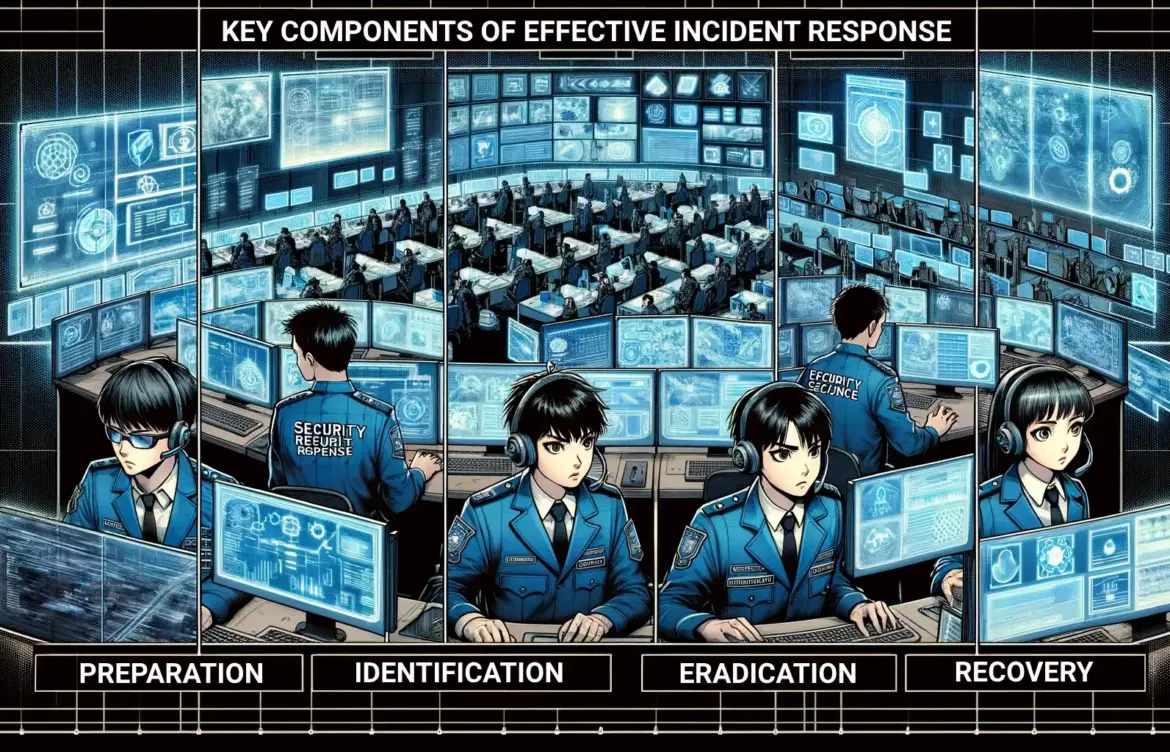
Key Components of Effective Incident Response Plans
1. Preparation: Training staff and establishing roles is crucial to ensure everyone knows their responsibilities during an incident.
2. Identification: Early detection of an incident is vital. Organizations should implement security tools that provide real-time alerts to potential threats.
3. Containment: Limiting the scope of the incident can prevent further damage. This might involve isolating affected systems to stop the spread of the attack.
4. Eradication: After containing the incident, the threat must be eliminated entirely to prevent reoccurrence.
5. Recovery: Restoration of systems and services followed by monitoring ensures that the effects of the incident are resolved.
6. Lessons Learned: Post-incident analysis helps organizations understand what went wrong and how to improve future responses.
Conclusion
Preparation, rapid response, and continuous improvement are key to managing cybersecurity threats effectively. Incident response plans not only safeguard an organization’s resources but also assure stakeholders of their commitment to security. As cyber threats evolve, organizations that prioritize and continuously update their incident response strategies will be better positioned to withstand and recover from attacks, ultimately preserving business continuity and trust.