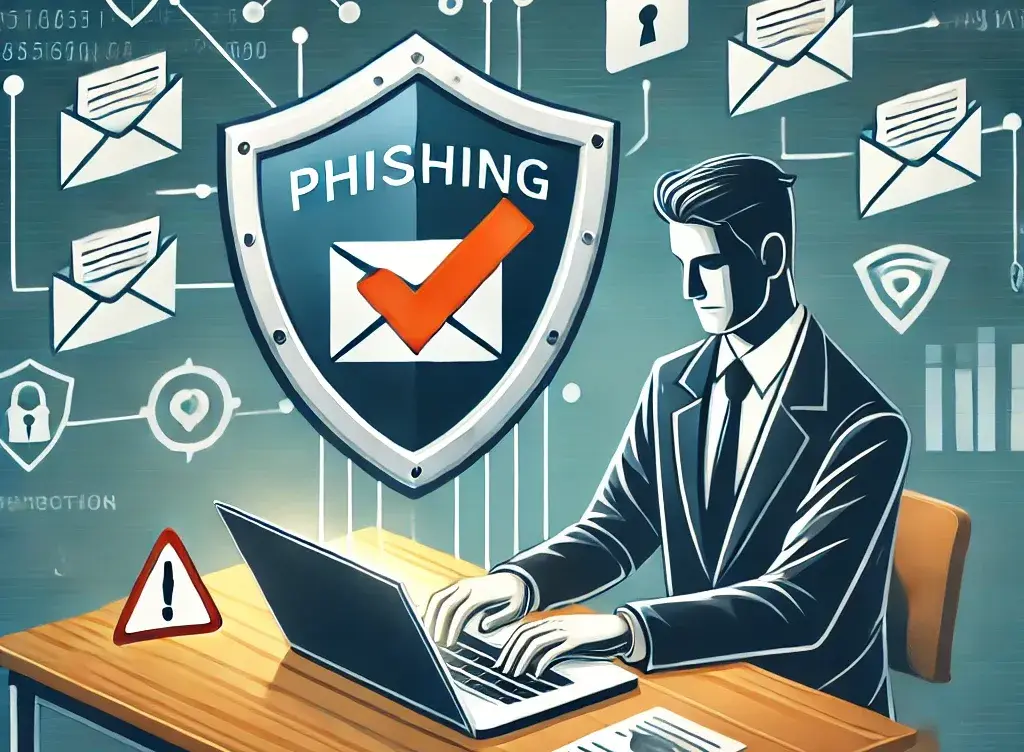
Understanding Phishing: What You Need to Know
Introduction
In the digital age, online security has become paramount. One of the most prevalent threats individuals and organizations face today is phishing. Phishing is a form of cybercrime that involves tricking individuals into providing sensitive information, such as usernames, passwords, and credit card details. Understanding how phishing works and how to recognize it is crucial for safeguarding personal and financial information.
Main Body
How Phishing Works
Phishing attacks often come in the form of fraudulent emails, messages, or websites that appear to be legitimate. These communications typically contain a sense of urgency, prompting the victim to act quickly. For example, victims might receive an email that appears to be from their bank, informing them of suspicious activity on their account, with a link to “verify” their information. When clicked, the victim is redirected to a fake website where they are asked to enter their credentials.
Types of Phishing Attacks
There are several common types of phishing attacks, including:
- Email Phishing: The most widespread method, involving emails that mimic reputable organizations.
- Spearfishing: A targeted variation of phishing that focuses on specific individuals, often using personal information to increase effectiveness.
- Whaling: A type of spear phishing that targets high-profile individuals such as executives.
- Vishing and Smishing: Voice phishing and SMS phishing, respectively, where scammers use calls or text messages to obtain sensitive information.
Signs of a Phishing Attempt
Identifying phishing attempts can prevent successful scams. Some red flags include:
- Unusual sender email addresses
- Generic greetings, rather than personalized ones
- Spelling and grammatical errors
- Requests for sensitive information
- Links that do not match the purported organization’s website
Protecting Yourself from Phishing
To safeguard against phishing attacks, users should:
- Verify the sender’s email address before opening any links.
- Utilize two-factor authentication for online accounts.
- Keep software updated to protect against vulnerabilities.
- Educate oneself and others about phishing tactics.
Conclusion
Phishing remains a significant threat in today’s digital landscape, but awareness and education can effectively mitigate risks. Knowing how to recognize and respond to phishing attempts empowers individuals to protect their private information. As scams evolve, continuous vigilance and adapting security practices will be essential in safeguarding oneself from cyber threats. In an increasingly connected world, staying informed is the best defense against phishing.