The Critical Importance of Incident Response Plans in 2023
Introduction to Incident Response Plans
In today’s increasingly digital world, organizations face a multitude of threats ranging from cyberattacks to natural disasters. Effective incident response plans (IRPs) are crucial for minimizing damage and ensuring a swift recovery. These plans outline the procedures and processes that organizations should follow to detect, respond to, and recover from incidents, making them a fundamental component of any risk management strategy.
The Growing Need for Incident Response Plans
Recent events have highlighted the importance of having an incident response plan in place. According to a report by cybersecurity firm IBM, nearly 80% of organizations experienced a cyber incident within the last 12 months, with 40% of those incidents resulting in significant data breaches. Such statistics underline how critical it is for organizations to not only develop IRPs but also to regularly review and update them in line with evolving threats.
Key Components of an Effective Incident Response Plan
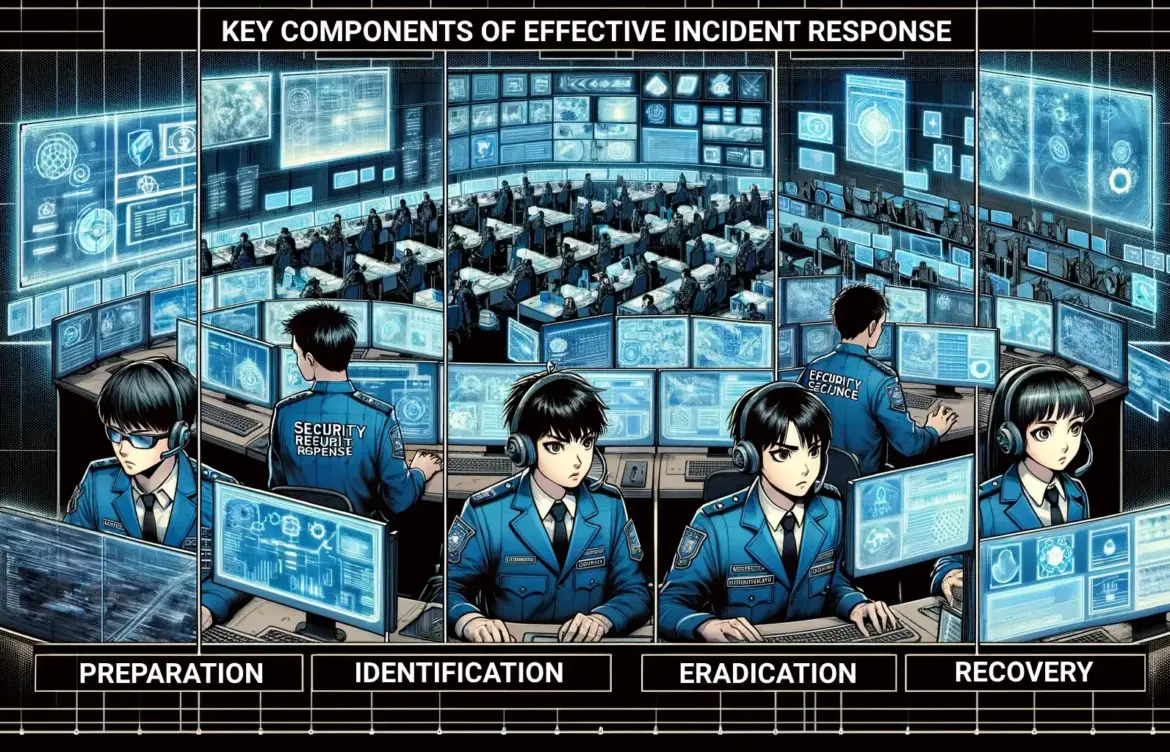
To be effective, an incident response plan should encompass several key components:
- Preparation: Ensure that the organization has the necessary resources, tools, and training to respond effectively to incidents.
- Detection and Analysis: Implement systems to detect incidents as they occur. This includes real-time monitoring and logging.
- Containment, Eradication, and Recovery: Outline steps to contain the incident, eliminate the threat, and restore systems to their normal operations.
- Post-Incident Activity: Incorporate lessons learned into practice by analyzing the incident and updating the plan accordingly.
Recent Trends in Incident Response Planning
The shift towards remote work has introduced new complexities to incident response planning. Organizations must now consider threats that may arise from remote connections, emphasize endpoint security, and ensure employees are equipped to recognize and report incidents from home. Additionally, adherence to regulations such as the GDPR and CCPA has placed further pressure on companies to refine their response strategies to comply with data protection requirements.
Conclusion: Looking Ahead
As organizations continue to navigate a landscape fraught with potential threats, the importance of incident response plans cannot be overstated. Industry experts predict that as cyber threats become more sophisticated, organizations will increasingly invest in practicing and enhancing their IRPs. By doing so, they not only mitigate potential damage but also build resilience against future incidents. Establishing a robust incident response plan not only safeguards assets but also reinforces an organization’s commitment to maintaining trust with its customers and stakeholders.