Understanding Pulmonary Embolism: Risks and Treatments
Introduction to Pulmonary Embolism
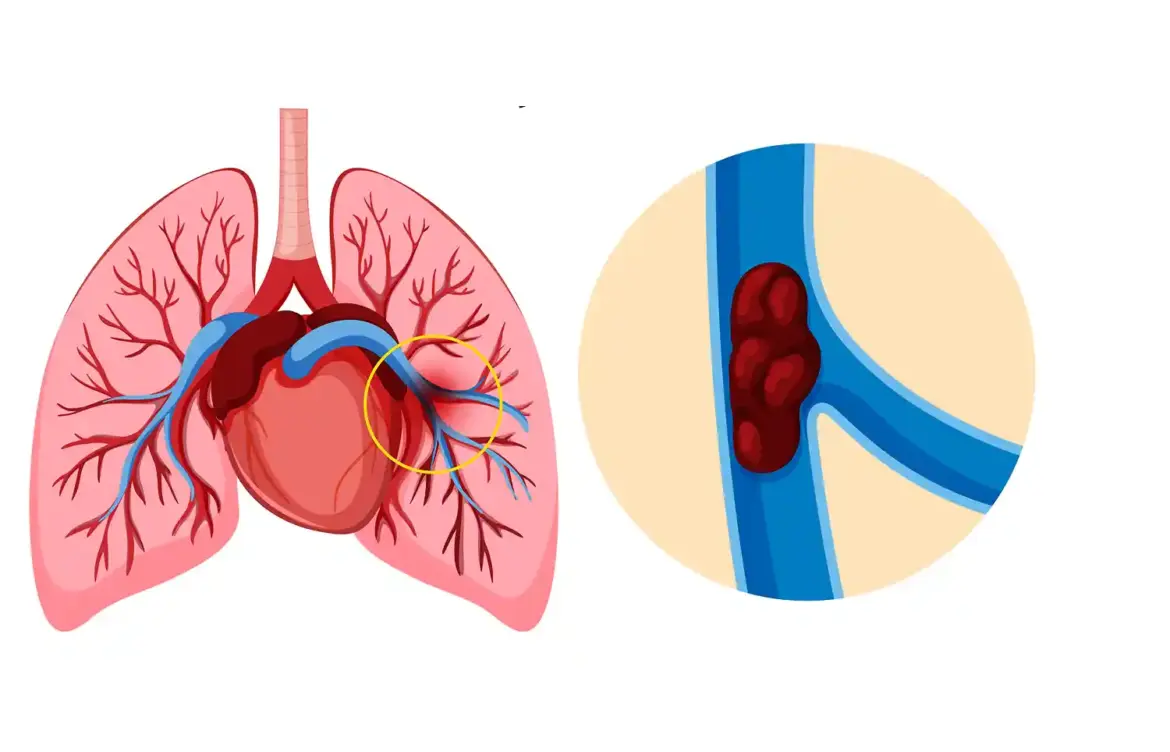
Pulmonary embolism (PE) is a serious medical condition that occurs when a blood clot obstructs one or more arteries in the lungs. It is a condition that requires prompt diagnosis and treatment to prevent severe complications or death. Given the increasing incidence of thromboembolic diseases, understanding the causes, symptoms, and risk factors of pulmonary embolism is crucial for public health awareness.
What Causes Pulmonary Embolism?
Most cases of pulmonary embolism result from deep vein thrombosis (DVT), where blood clots form in the deep veins of the legs and travel to the lungs. Other less common causes can include air embolism, fat from a broken bone, or amniotic fluid after childbirth. Risk factors for developing DVT include prolonged inactivity, certain medical conditions such as cancer or heart disease, smoking, and being overweight.
Symptoms of Pulmonary Embolism
The symptoms of pulmonary embolism can vary significantly from person to person, but common indicators include sudden shortness of breath, chest pain that may worsen with deep breaths, rapid heart rate, dizziness, or even fainting. Some patients also experience coughing up blood. Because these symptoms overlap with other conditions, acquiring immediate medical attention is essential for accurate diagnosis.
Diagnosis and Treatment
Diagnosis typically involves imaging tests such as a CT pulmonary angiography or a VQ scan, along with blood tests to check for DVT. Treatment often begins with anticoagulants (blood thinners), which prevent further clotting. In severe cases, thrombolytics, or clot-busting drugs, may be administered, or surgery might be required to remove the clot. Ongoing management may also involve lifestyle changes, prolonged anticoagulation therapy, and addressing any underlying health issues.
Conclusion: Significance of Awareness
With pulmonary embolism being a leading cause of preventable deaths worldwide, boosting awareness about its symptoms, risk factors, and treatment options is vital. Early recognition and treatment of this life-threatening condition can significantly improve patient outcomes. The general public, especially individuals at higher risk, should be informed about precautions, and healthcare providers must remain vigilant in identifying potential cases of pulmonary embolism. Educating oneself and others can ultimately save lives.