Understanding Phishing: Types, Risks, and Prevention
Introduction
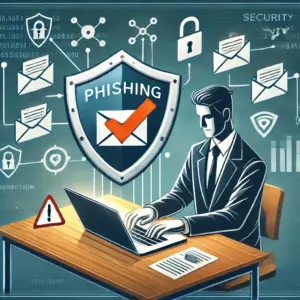
Phishing is a form of cybercrime that targets individuals and businesses by deceiving them into providing sensitive information, such as usernames, passwords, and credit card details. The increasing sophistication of phishing attacks makes it crucial for internet users to understand how these scams operate and the potential risks they pose. As we rely more heavily on digital communications and transactions, awareness and education regarding phishing have become more important than ever.
How Phishing Works
Phishing attacks are typically executed through email, instant messaging, or social media platforms. Attackers create fake messages that appear to come from a legitimate source, such as a bank or a reputable company, urging recipients to click on a link or download an attachment. Once they do, they may be redirected to a fraudulent website or malware may be installed on their devices.
Types of Phishing
There are several common types of phishing:
- Email Phishing: The most widespread form, where emails are crafted to look legitimate, tricking users into clicking malicious links.
- Spear Phishing: A targeted version that personalizes the message for specific individuals or organizations, increasing its effectiveness.
- Whaling: A subset of spear phishing that focuses on high-profile targets, such as executives and key decision-makers within a company.
- Smishing & Vishing: Phishing attempts carried out via SMS (smishing) or voice calls (vishing).
Consequences of Phishing
Victims of phishing attacks may suffer severe repercussions, including identity theft, financial loss, and the breach of corporate security. According to a recent report from the Anti-Phishing Working Group, phishing attacks surged by 220% in 2022, highlighting the growing threat that these scams present to various sectors.
Preventing Phishing Attacks
To protect against phishing, users should:
- Be skeptical of unsolicited emails or messages, especially those asking for sensitive information.
- Always verify the sender’s email address and look for signs of dubious links—hover over them without clicking.
- Enable two-factor authentication on accounts whenever possible.
- Educate employees about recognizing phishing attempts within an organizational context to prevent corporate breaches.
Conclusion
Phishing remains a prevalent threat in the digital landscape, targeting unsuspecting users across various platforms. With continued advancements in technology, the methods employed by cybercriminals evolve, necessitating ongoing vigilance and education. By understanding what phishing is, recognizing its different forms, and implementing preventive measures, individuals and organizations can significantly reduce their risk of falling victim to these online scams.