Understanding Havana Syndrome: Causes, Symptoms, and Current Insights
Introduction to Havana Syndrome
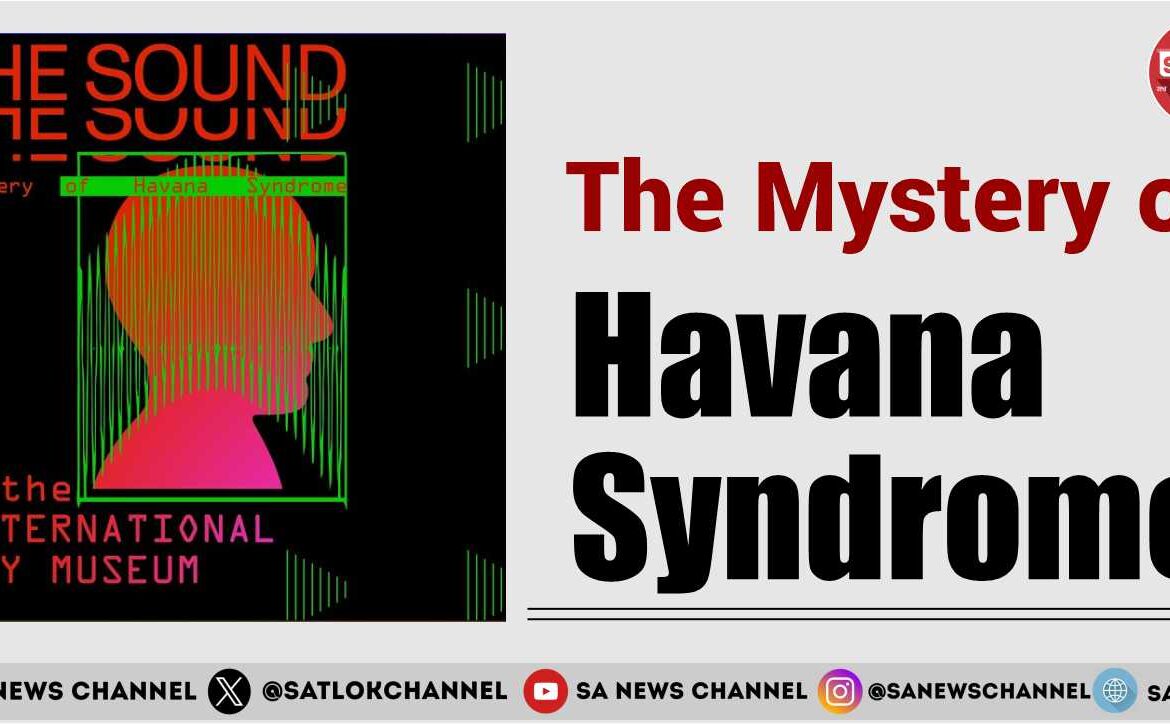
Havana Syndrome refers to a series of health incidents that have affected U.S. diplomats and government officials since late 2016. First reported in Havana, Cuba, this mysterious condition has drawn significant attention due to its baffling symptoms and unclear origins. The importance of understanding Habana Syndrome lies in its implications for national security, public health, and the well-being of affected individuals.
Symptoms Reported
Victims of Havana Syndrome have reported a variety of symptoms, including headaches, dizziness, tinnitus, visual and auditory disturbances, and cognitive difficulties. Some individuals even experienced neuropathic pain and hearing loss. The onset of symptoms typically occurred suddenly and has led to the consideration of various potential causes, including sonic attacks, chemical exposure, or even psychological factors.
Recent Developments and Investigations
As of 2023, the U.S. government has intensified its investigations into these incidents. The CIA and the State Department have conducted inquiries to uncover the nature and origin of the syndrome. With reports of additional cases involving U.S. personnel in other countries, the concern expands beyond Havana and signals a potential widespread issue that could affect the safety of government officials around the world.
Research is ongoing, with medical professionals studying brain scans and other diagnostic tests to determine if they show any commonalities among those affected. A recent report from the National Academies of Sciences suggested that directed energy, such as microwave frequencies, could potentially have a role in the events leading to symptoms, but this remains a topic of considerable debate.
Conclusion and Outlook
The emergence and persistence of Havana Syndrome have significant implications for U.S. foreign relations and the health of diplomatic personnel. As research continues and new cases are reported, the need for understanding remains vital. Future investigations may reveal whether there are protective measures that can be taken against environments where such symptoms manifest. As attention reveals deeper insights, it poses the question of how governments can protect their personnel from potential unseen threats, paving the way for policy changes and international protocols.