Understanding Floods: Causes, Effects, and Solutions
Introduction
Flooding is one of the most prevalent and devastating natural disasters affecting communities across the United States. It poses significant risks to human life, infrastructure, and the economy. As climate change intensifies, an increase in the frequency and severity of rainfall-induced floods is becoming increasingly evident. Understanding the causes and preparing for flooding events is crucial for mitigating their disastrous impact.
Recent Flooding Events
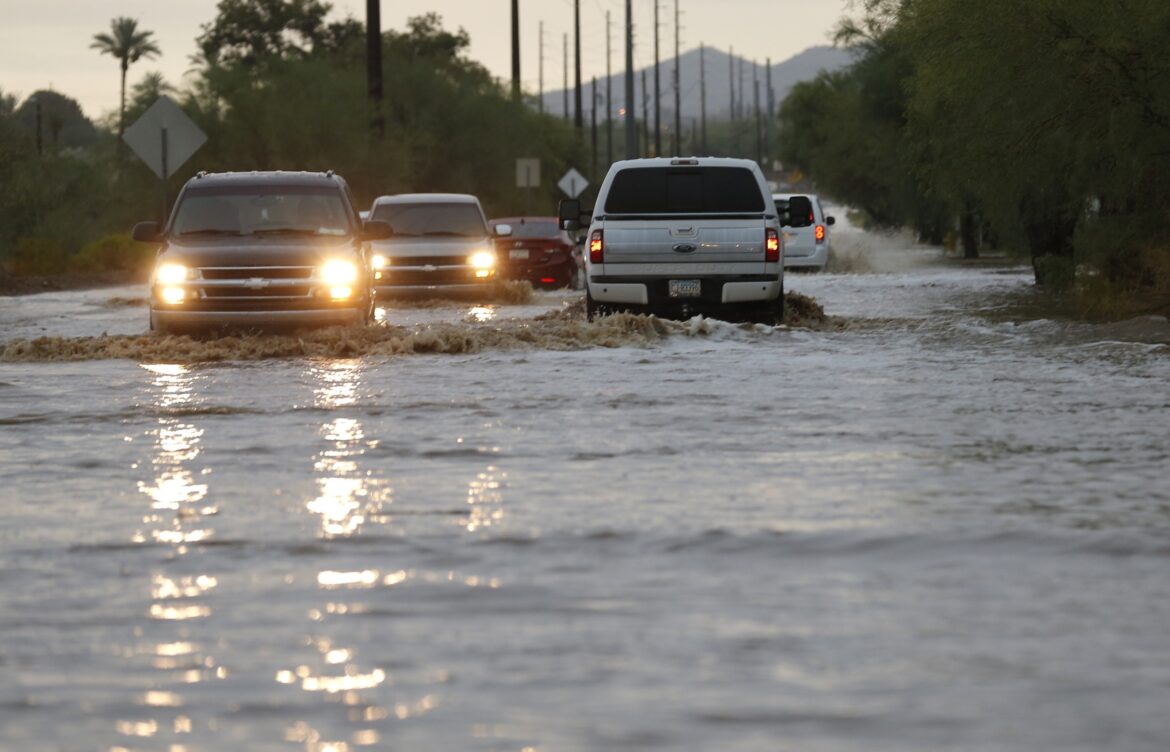
In recent months, various regions have experienced catastrophic floods. For instance, in September 2023, Hurricane Idalia caused severe flooding in Florida, leading to the evacuation of thousands and extensive property damage. Similarly, heavy rainfall in the Midwest resulted in flash floods that impacted Illinois and Iowa, displacing residents and disrupting transportation.
Causes of Flooding
The primary causes of flooding include heavy rainfall, snowmelt, and storms such as hurricanes and tropical storms. Urbanization exacerbates flooding, as impervious surfaces like roads and buildings prevent water absorption, leading to increased runoff. Additionally, climate change contributes to erratic weather patterns, increasing the number of extreme rainfall events.
Effects of Floods
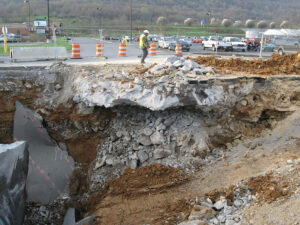
The effects of flooding are multifaceted. Homes and businesses can be severely damaged or destroyed, leading to economic loss and long-term barriers to recovery. Flooding can also disrupt essential services such as power, water supply, and transportation. Moreover, it poses health risks due to water and food contamination and increases the potential for waterborne diseases.
Solutions and Preparedness
To combat flooding, communities are employing various strategies. Investment in green infrastructure, such as rain gardens and permeable pavements, can enhance water absorption and reduce runoff. Additionally, early warning systems play a crucial role in alerting residents of imminent flooding threats. Local governments are also updating zoning laws to restrict development in flood-prone areas, aiming to reduce future risks.
Conclusion
The increasing frequency of flooding events underscores the need for enhanced preparedness and adaptive measures. By understanding the causes and implications, as well as investing in proactive solutions, communities can mitigate the impact of floods. Continued research and collaboration between governmental agencies and local organizations are essential for developing effective strategies for flood risk management, ensuring resiliency in affected areas.