Understanding Today’s Poor Air Quality: Causes and Impacts
Introduction
Air quality has become a pressing concern, particularly as recent reports highlight spikes in pollution levels in many regions across the United States. Poor air quality not only affects the environment but also poses significant health risks, especially for vulnerable populations such as children and the elderly. As more cities report increased smog and hazardous particulate matter, it is essential to examine the causes behind today’s bad air quality.
Main Causes of Poor Air Quality
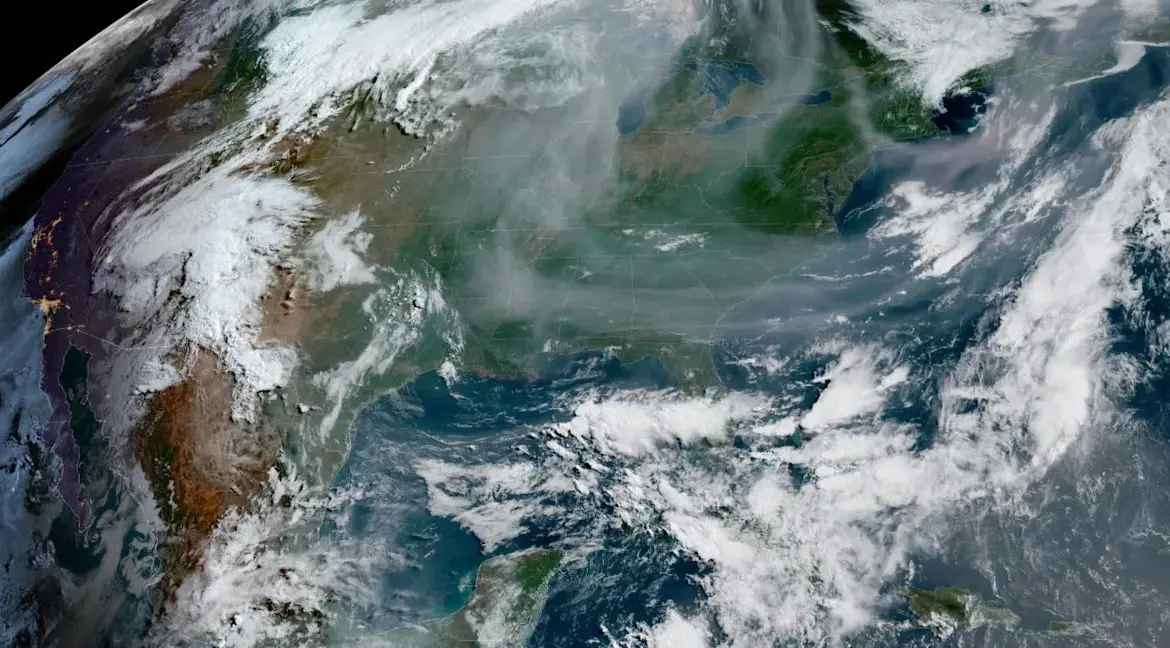
One of the primary reasons for today’s deteriorating air quality is the rise in wildfire smoke, particularly observable in states like California and Oregon. Recent wildfires, fueled by dry conditions and climate change, have caused significant amounts of particulate matter to enter the atmosphere. According to the National Interagency Fire Center, over 7 million acres have burned in the U.S. this year alone, leading to massive clouds of smoke that reduce air quality over vast areas.
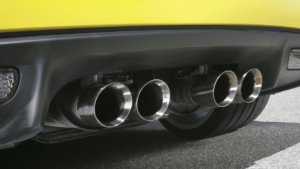
In addition to wildfires, urban areas are also grappling with increased pollution from industrial emissions and vehicle exhaust. As cities continue to grow, the number of vehicles on the road increases, leading to heightened levels of nitrogen oxides and volatile organic compounds that contribute to poor air quality. Recent data from the Environmental Protection Agency shows that ozone levels, especially in metropolitan areas, have reached alarming highs, prompting health advisories.
Weather patterns also play a significant role in today’s air quality. Stagnant air conditions can trap pollutants close to the ground, leading to the accumulation of smog. With high-pressure systems preventing air circulation, cities often experience a decline in air quality. Additionally, temperature inversions can further exacerbate pollution issues, as warmer air traps cooler air (and its pollutants) at lower altitudes.
Health Impacts and Recommendations
The health effects of poor air quality are well-documented and can lead to respiratory issues, cardiovascular diseases, and aggravated conditions such as asthma. A report from the World Health Organization states that air pollution is responsible for approximately 7 million premature deaths globally. In light of this, residents in affected areas should consider limiting outdoor activity, keeping windows closed, and using air purifiers to mitigate exposure.
Conclusion
Understanding why the air quality is bad today is crucial for mitigating its impact on public health and the environment. With contributing factors like wildfires, urban pollution, and adverse weather patterns, the situation requires a multifaceted approach for improvement. It is vital for policymakers to implement stricter environmental regulations while individuals remain informed and proactive about their health. As we navigate these challenges, recognizing the direct correlation between air quality and well-being should be a central priority for both communities and governments.